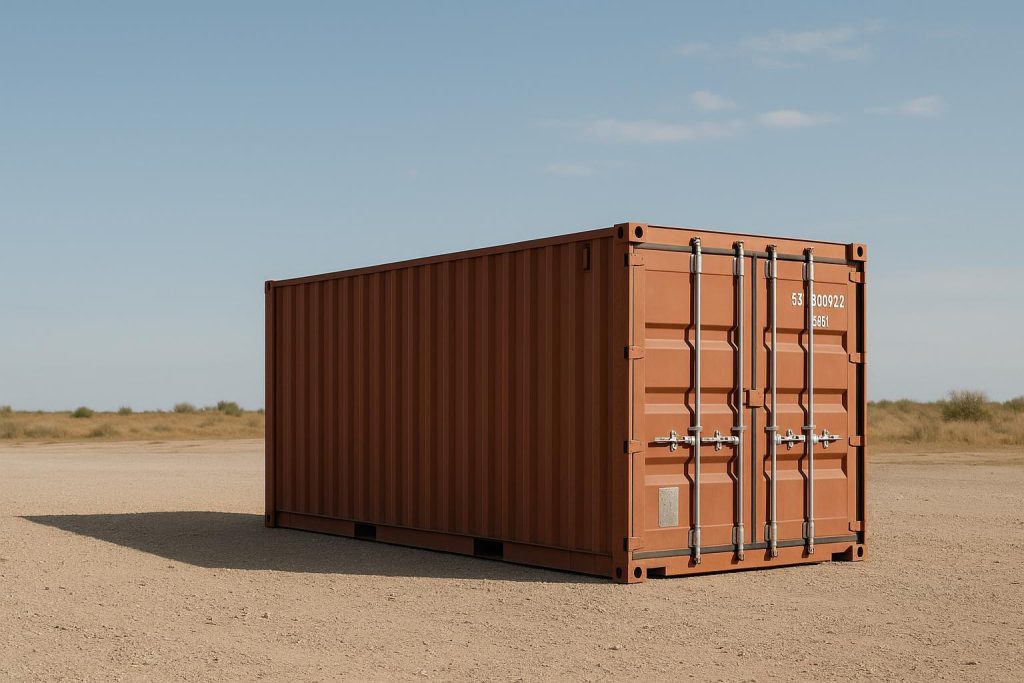
Understanding Temperature Extremes in Sea Can Storage
Sea cans, also known as shipping containers or seacans, can be an excellent solution for hassle-free storage when you need sturdy, convenient access to your belongings or equipment. However, many people wonder if sea cans get too hot or cold for storage, especially if they’re used in diverse climates with fluctuating temperatures. In this expanded FAQ, we’ll explore what contributes to temperature changes in sea cans, how hot or cold they can get, tips to minimize these temperature extremes, and best practices to keep your items safe year-round. Whether you’re looking into long-term or seasonal storage, this guide will give you a reliable understanding of how to manage climate concerns inside your sea can.
Why Sea Cans Are So Popular for Storage
Sea cans have become increasingly popular for personal or commercial storage because of their durable, weather-resistant construction. A sea can is typically made of steel, which helps keep out rain, snow, and pests. They’re also portable, allowing owners to place them outside their homes, farms, businesses, or dedicated storage facilities. Since they’re made of metal, they can withstand a range of environmental conditions, making them a favorite for those who want no-nonsense, flat-rate storage options.
Some choose to rent a dedicated sea can storage stall if they need extra room to park or want a safe location secured behind a fence or gate. Such stalls can be beneficial if you’re using the sea can as a workspace or storing high-value items that require a reliable environment.
Factors That Influence Internal Temperatures
Although sea cans are known for their sturdy exterior, the same steel walls that defend against moisture and pests can also conduct heat or cold quite effectively. Here are the key factors influencing inside temperatures:
- Sun Exposure: Direct sunlight can heat up the steel walls, causing high internal temperatures during summer months, especially if the container is painted in a darker color.
- Ambient Weather: In cold climates, the steel exterior loses heat quickly, making the interior quite chilly without insulation or ventilation. Conversely, hot weather can transform a sea can into a warm environment that might be uncomfortable for certain items.
- Ventilation: Proper airflow is essential. Sea cans with adequate vents or a ventilation system will circulate fresh air, mitigating temperature swings and moisture buildup.
- Insulation and Modifications: Many owners add insulation or interior panels to help maintain a more consistent climate inside the sea can.
These factors work together to create the default temperature conditions you’ll experience when you use a sea can for storage.
How Hot Can It Get Inside a Sea Can?
In direct, intense sunlight, a non-insulated sea can can become significantly hotter inside than the ambient outdoor temperature. In regions with scorching summers, it’s not uncommon for the interior of a steel container to reach temperatures that may damage heat-sensitive belongings such as electronics, certain paints, or adhesives.
To reduce the risk of overheating, consider some best practices:
- Choose a Shaded Spot: Placing your sea can under a tree line, near a building that blocks direct sun, or in an area with partial shade can make a notable difference.
- Invest in Seacan Modifications: Simple solutions like roof vents, whirlybirds, or installing small fans can push hot air out and draw cooler air in. Reflective paint or white paint can also reduce heat absorption.
- Avoid Overstuffing: Overfilling can hamper airflow inside, trapping heat among stored goods. If you need extra room to park additional items, renting a second stall or a bigger container might be safer.
How Cold Can It Get Inside a Sea Can?
Just as metal skin can make a container feel hot during the summer, it can also contribute to colder interior conditions in winter. If you’re storing items in an area with severe winters, you’ll want to be aware of how low temperatures can go. While the container is weather-resistant, prolonged contact with freezing or near-freezing outdoor air can carry over to the container’s interior, making it quite chilly.
If you’re concerned about items that shouldn’t freeze—such as liquids or temperature-sensitive materials—you may need to insulate the container walls and floor or use specialized heaters. However, many owners find that robust items (like household goods, tools, or vehicles) can withstand these colder periods with minimal risk. Alberta’s harsh winters, for example, demand strategies like draining water lines or using antifreeze in stored machinery.
Is Insulation Necessary?
Whether insulation is necessary depends on what you’re storing. A sea can without insulation is typically fine for many robust, non-temperature-sensitive items. If you’re storing typical items such as furniture, ATVs, or small machinery, you may be well-served by a standard shipping container. However, if you plan to store more delicate goods or want to ensure a longer lifespan for electronics and other sensitive equipment, insulating the ceiling, walls, and floors can make a big difference.
Even simple modifications like reflective paint or foam board insulation can help reduce internal temperature swings. Some facilities that offer sea can storage can assist with tips or resources to insulate your container. Talk to the provider to see what solutions are available.
Tips for Maintaining Safe Storage Temperatures
Here are a few hassle-free storage tips to keep the interior environment of your sea can stable:
- Monitor Temperatures: Keep a thermometer or humidity gauge inside, so you always know the conditions.
- Ventilate Regularly: If your sea can isn’t equipped with fans, consider opening doors on mild days to let heat or excess moisture escape.
- Use Pallets and Shelving: Storing items off the floor can improve air circulation, preventing dampness on cooler surfaces.
- Strategically Arrange Items: Place heat-sensitive goods away from direct sun-heated walls, or add a barrier (such as insulation or a tarp) between those items and the container’s steel interior.
Seasonal vs. Long-Term Storage in a Sea Can
Sea cans are often used for both short-term and long-term storage. In many cases, these steel containers can handle the full range of temperatures across the seasons. If you’re planning to store items only over the winter, ensure they’re properly winterized or protected. If you’re investing in year-round or long-term storage, consider making the container more comfortable by adding ventilation or insulation. The goal is to achieve peace of mind, knowing your items are protected in a reliable environment.
Some people choose to keep the container on a service provider’s 12×40 ft gravel stall, especially if local bylaws prevent large containers at home. This arrangement can give you room to park additional gear and even space for pulling trailers in and out with a pull-through stall option, if necessary. Such features ensure you can access your sea can with minimal hassle.
Items That Are More Susceptible to Temperature Extremes
While many items handle temperature swings well, some goods are more vulnerable:
- Electronics: Computers, TVs, and other electronic devices don’t fare well in temperature extremes and humidity. They may need insulation or climate control measures.
- Wood Furniture: Frequent temperature changes can cause wood to expand and contract, leading to cracking or warping without proper precautions.
- Liquids and Chemicals: Paint, cleaning supplies, or adhesives can freeze or degrade in the heat, possibly spoiling long before their normal shelf life.
- Papers and Photographs: Important documents and photos can develop mold or mildew if condensation occurs during temperature swings.
Combating Condensation
Extreme temperature changes may lead to condensation inside the sea can, which can endanger certain goods if moisture isn’t controlled. A few ways to combat condensation include:
- Using moisture absorbers or desiccant packets inside to reduce dampness.
- Keeping an eye out for leaks or small gaps in the doors or corners where drafts might form.
- Frequent checks, especially after a significant change in weather.
Regular inspections can ensure your container remains mold-free and that items stay in good shape.
Handling Extreme Heat
If you’re located where summer temperatures are known to be severe, you may consider painting the container in a light color, which reflects sunlight. Alternatively, reflective or specialized roof coatings are sometimes applied to mitigate heat buildup. If you have an option to place the sea can where it’s partially shaded, do so for more natural temperature control. Airflow is also key; even a small battery-powered or solar-powered fan can make a difference in how stuffy it feels inside.
Maintaining Convenience and Simplicity
Most people choose a sea can precisely because they want simple pricing and a reliable storage solution. If you’re exploring long-term or seasonal storage in your area, consider renting a dedicated stall at a secure facility that offers talk-through guidance on temperature issues. For instance, some storage providers are just outside the city, giving you convenient access without the hassle of downtown bustle. You also benefit from robust fencing, gated entry, and a staff that’s familiar with local weather concerns.
At many facilities, you’ll find no hidden fees and the option of a flat-rate approach, so you know exactly how much your stall or container will cost every month—no surprises. This arrangement works well for both personal and commercial clients who need adequate, hassle-free storage, especially if they can’t or don’t want to keep a sea can in their own driveway or yard.
Comparing Sea Can Storage to Other Outdoor Options
Some might wonder whether a sea can is substantially hotter or colder than other common storage units. Let’s compare:
- Traditional Metal Sheds: These also build up heat or cold quickly, but they typically have thinner walls and are not always sealed as tightly, so pests or water might be a bigger concern.
- Wooden Sheds: Insulation properties vary widely, but wood is more vulnerable to rot and pest damage over time.
- Open-Air Parking or Tarp Coverage: If you’re storing something like a car, boat, or equipment outdoors, you have almost no temperature control and must deal directly with sun, rain, snow, and hail. By contrast, sea cans provide a fully enclosed space.
A sea can, by design, is built to handle tough conditions, whether crossing oceans or sitting through harsh winters. That strength is part of why so many people rely on them for secure storage and peace of mind.
Is Sea Can Storage Right for You?
If you need a large, sturdy container to hold your items, a sea can may be the perfect fit. Even with potential temperature swings, many owners find that it’s an excellent trade-off between affordability, security, and spaciousness. If you’re concerned about extreme temperatures, do additional research on insulation, ventilation, or strategic site placement. Keep in mind these storage units can be a versatile tool, whether it’s for short-term renovation projects or longer, seasonal storage needs.
For people who want a dedicated place with room to park without encroaching on their own property, looking at a local facility that specializes in sea can storage can simplify the process. Whether you’re facing scorching summers or frosty winters, it’s a practical option for storing items as varied as work tools, ATV or motorcycle gear, landscaping equipment, and more.
Final Thoughts
In the end, sea cans can run hot in the summer and cold in the winter because of their metal construction. Yet these issues can often be mitigated with well-chosen placement, simple modifications like insulation or ventilation, and thoughtful usage that accounts for climate conditions. Many owners find that the durability and weather resistance of an enclosed steel container far outweigh any shortcomings, especially for rugged items that aren’t ultra-sensitive to temperature swings.
If you need reliable, hassle-free storage with no hidden fees, a sea can is a solid option. It’s all about understanding both the nature of the metal construction and how best to protect items inside. For anyone comfortable with typical outdoor temperatures—and who doesn’t require a highly controlled environment—investing in a sea can from a provider with simple pricing and a convenient location can be a perfect storage solution. With just a bit of planning and regular checks, a sea can can keep your belongings safe and sound year-round.