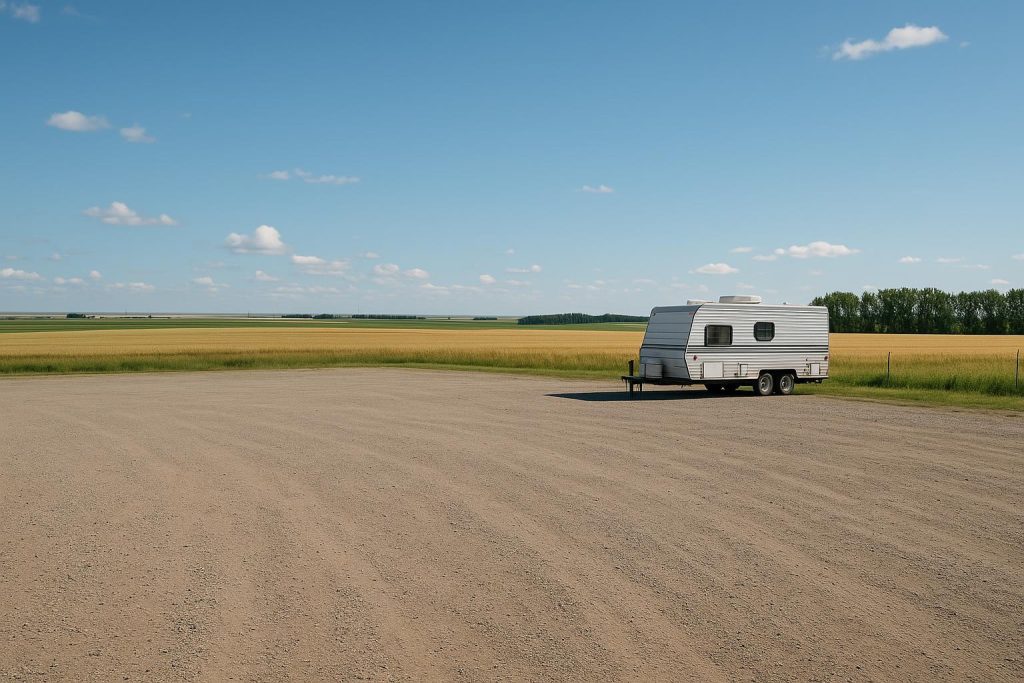
Understanding Alberta’s Trailer Parking Bylaws and the Advantages of Secure Storage
Whether you drive through rural highways or navigate busy city streets, you might notice many types of trailers parked along residential roads throughout Alberta. Travel trailers, fifth-wheel campers, cargo haulers, and utility trailers line driveways or crowd streets in some neighbourhoods. In many municipalities, however, there are strict rules governing how long a trailer can remain on a street or in a driveway. While these regulations help keep communities safe and free of clutter, they can be challenging for individuals who lack space on their property to store large vehicles.
This is where privately owned, dedicated trailer storage facilities come in. These locations are properly zoned for oversized vehicles, which often allows you to bypass restrictive municipal parking bylaws. Understanding these rules—and why secure, offsite trailer storage can be a smart choice—can save you time, money, and frustration. Below, we’ll dive into the topic of Alberta’s trailer-parking bylaws, exploring how they vary by region, which regulations you need to watch out for, and how storing your trailer at a purpose-built yard can help you avoid common pitfalls.
Why Alberta Municipalities Enforce Trailer Parking Rules
Many areas in Alberta, from small towns to larger metro regions like Edmonton or St. Albert, have adopted bylaws that prohibit extended on-street trailer parking. The primary reasons for these regulations include:
- Neighborhood aesthetics: Excessive on-street parking can clutter the community, reducing curb appeal and making certain areas appear overwhelming.
- Public safety: Large trailers parked along roads may obstruct traffic flow or visibility, especially if they sit on narrow streets.
- Emergency services access: In tight roads or alleys, a parked trailer can prevent fire trucks, ambulances, and other emergency vehicles from passing through.
- Fair road and property usage: Long-term parking of oversized vehicles on public roads essentially uses shared space for private storage, which can lead to complaints among neighbors.
These guidelines can vary from one municipality to another. In some cases, you might be allowed to keep a small travel trailer in your driveway for a few days if you’re loading or unloading. Meanwhile, other communities might only permit short-term parking on the street—often no more than 72 hours total.
Key Municipal Bylaw Considerations
To decide how best to store your trailer in Alberta, it’s essential to look at the following factors, which often appear in local bylaws:
- Maximum parking duration: Many areas cap how long a trailer can remain on a street or driveway. For instance, you might be restricted to a 72-hour window for loading and unloading, with any longer stay subject to penalties.
- Vehicle size limits: Some municipalities impose a length, width, or height restriction. If your trailer surpasses these measurements, you may be required to move it to an offsite facility.
- Location restrictions: Even if your trailer fits size regulations, certain residential zones prohibit keeping it in the front yard or at the curb for an extended period.
- Seasonal rules: Winter parking bans in some municipalities can make on-street trailer parking illegal during snowy months, often from November to March.
If your specific area doesn’t allow long-term trailer parking, or if you just want to avoid potential fines, renting space in a secure storage lot can be a more convenient solution. Facilities that specialize in storing trailers tend to have broader gates, well-planned lots, and features specifically designed for large vehicles. In many cases, these sites are already fully authorized for storing bigger units, meaning you stay clear of bylaw infractions.
How Secure Offsite Trailer Storage Simplifies Your Life
Opting for an offsite storage yard does more than just help you avoid bylaw violations. It offers:
- Peace of mind: By removing your trailer from your driveway or street, you won’t have to worry about local enforcement, warnings, or potential fines.
- More usable space at home: Freeing up your driveway or yard for your family’s daily vehicles can make regular comings and goings more comfortable. You’ll also remove any concerns about blocking sidewalks or neighbour access.
- Enhanced security: Most specialized trailer storage facilities maintain strong perimeter fencing, bright lighting, and controlled gate access. You can often add your own locks or security devices, giving you multiple layers of protection. For further security tips, see How can I lower the risk of theft or vandalism when storing my trailer long-term?.
- Suitable for all trailer types: From modest utility trailers to oversized cargo haulers, professional lots accommodate a variety of shapes and sizes. Many even provide 12×40 ft gravel stalls that make maneuvering straightforward, lowering the chances of accidental damage.
- Effortless compliance: Since these facilities are specifically zoned, using them helps you comply with both local bylaws and the facility’s guidelines. This arrangement gives you a hassle-free experience, avoiding disputes with municipal authorities or homeowners’ associations.
Examples Go Beyond Just One City
Bylaws differ widely throughout Alberta. For instance, in North Edmonton, regulations may prohibit overnight trailer parking in front of residences. Communities near Stony Plain might apply even stricter limits on how long a trailer can remain on a residential street. In Fort Saskatchewan, you could be subject to rules that only allow trailers to be parked off-street in designated areas. The bottom line is that no matter where you live, it’s wise to check with your municipal office or review your local bylaws to confirm you’re in the clear.
For those worried about the complexities of municipal parking rules, a regionally focused storage facility can help. Such lots are already aligned with local zoning requirements, so they’re less likely to be subject to frequent bylaw changes.
Navigating Trailer Dimensions in Residential Areas
Trailers come in all shapes and forms, from small cargo units to large, multi-axle fifth wheels. Property owners often find they don’t have the driveway width or length to accommodate these rigs comfortably. Even if you have sufficient personal property space, you might run into challenges like:
- Overhanging onto the sidewalk or the street.
- Narrow side-yard gates that fail to fit the trailer’s width.
- Nearby trees or shrubs that make maneuvering nearly impossible.
- Sloped driveways that cause potential hitch angles when parking.
In contrast, properly managed trailer storage lots are designed for these concerns. With wide turning lanes, large stall dimensions, and pull-through stall (when available) options, it’s typically easier to position your trailer where you want it. This reduces the tension of backing it into a tight residential space. Additionally, secure lots often feature gravel surfaces, helping your tires maintain traction and preventing water or snowfall accumulation that can be even more problematic on pavement.
Avoiding Penalties and Common Pitfalls
Bylaw tickets can come as a surprise if you’re unaware of your municipal regulations or if a neighbor files a complaint. These penalties may range from warnings to significant fines. In some cases, you could be asked to move your trailer within 24 hours or risk having it towed. Choosing a specialized storage solution up front is a proactive step to sidestep these hassles. You also have the reassurance that you’re placing your trailer in a setting built for long-term or seasonal storage. Further, you can combine parking restrictions with other best practices for protecting your unit. For instance, many owners wonder Is it necessary to cover my trailer at a secured storage site to protect against the elements? or Should I invest in wheel locks or hitch security devices? Taking these steps in tandem with offsite parking can keep your trailer even safer.
Considerations for Different Trailer Types
There’s no one-size-fits-all when it comes to trailers. You might own a small utility trailer used to haul garden supplies or a large fifth wheel ready for cross-country road trips. Each type poses its own set of parking and security issues. Small trailers, for instance, can be easier to park in a driveway, but many Alberta communities still have rules restricting how long they may remain there. Larger trailers, such as toy haulers or fifth wheels, usually exceed length limits, making it impractical to store them anywhere but an approved storage yard.
Some choose to store boats on trailers as well. In that case, check out relevant boat parking bylaws, which may overlap with travel trailer regulations. If you have a multi-vehicle situation, you might ask yourself Can I store more than one trailer on a secured site? Many facilities have policies about how many vehicles can be parked in a single stall, so it’s a good idea to know in advance whether you’ll need one stall per unit or can share a space.
24/7 Access Versus Limited Hours
Another question trailer owners often ask is whether they can access their trailer at any time. You might need to load up at odd hours or do last-minute maintenance. Some properties allow round-the-clock entry via cardgate systems, while others restrict access to daytime hours. If night runs are important, you can look up guidelines in Do secured trailer sites allow 24/7 access, or are there set hours for entry? Understanding the hours will prevent misunderstandings once you’ve parked your trailer offsite.
Securing Your Trailer During Storage
While municipal rules focus primarily on where you can park, there’s also the concern of theft or vandalism if you’re storing your trailer offsite. Fortunately, dedicated facilities tend to offer a range of safety features. Look for:
- Fenced perimeters and gated entry: Physical barriers around the property discourage opportunistic theft. If you want to dig deeper, a good resource is Is a fenced and gated facility essential for trailer storage security?
- Well-lit areas: Good lighting makes it easier to spot any suspicious behavior, both for staff and other visitors.
- Security cameras or onsite oversight: Some lots have around-the-clock monitoring, offering an additional layer of protection.
- User-applied security: You might still choose to add cautionary measures. Examples include wheel locks, hitch locks, and other devices aimed at preventing unauthorized movement. Both short-term and seasonal storage can benefit from these add-ons.
Be sure to verify whether the storage facility has basic guidelines about how to secure your trailer. Every site has different regulations, and some may recommend that you maintain insurance coverage on your recreational or utility trailer while in storage.
Seasonal Considerations: Winter Storage
In Alberta’s harsh winter months, bylaw restrictions typically don’t go away. In fact, some municipalities might become even more strict. A trailer left on the street or in the front yard can cause issues with snow removal, leading to tickets or towing. Opting for long-term or seasonal storage in a properly managed yard helps you avoid these complications. You also have the benefit of storing your trailer in a place specifically designed for winter conditions, often with well-maintained gravel surfaces. Parts of Alberta see large snow accumulations, and secure lots usually have dedicated personnel to clear away ice and snow.
Furthermore, winter storage leads many owners to consider protective measures like winterizing plumbing or investing in a specialized cover. Questions like What are some tips to protect my trailer from winter conditions during off-season storage? pop up regularly. Having your trailer offsite gives you the space to perform these tasks carefully, without blocking your residential street or your own driveway.
How to Check Your Local Rules
If you’re unsure about the exact bylaws in your area, the best approach is to contact your municipal office or find the official bylaw documents on your city’s website. Here are a few helpful tips:
- Online searches: Many municipalities publish their bylaw details online. Look for sections specific to “oversized vehicle parking” or “trailer parking.”
- Telephone inquiries: Calling your city’s bylaws or parking enforcement department is an efficient way to get accurate information quickly.
- Consult homeowner associations: If you live in a community governed by an HOA, the rules might be even stricter than municipal guidelines.
Taking the Next Step
If local bylaws restrict trailer parking at your home, or you simply prefer the convenience of an offsite spot, secure storage can be your go-to choice. Along with avoiding bylaw penalties, you’ll benefit from having a location that’s specifically intended for large vehicles. By using a dedicated trailer storage space, you can expect:
- Hassle-free storage: You won’t have to remove your trailer on short notice or shuffle cars around your driveway.
- Room to park: Ample stall sizes make it easier to maneuver and reduce the risk of accidental damage.
- No hidden fees: Reputable facilities offer simple pricing, giving you a cost-effective option.
- Convenient access: Retrieve your trailer when you need it, without worrying about neighbors, bylaws, or city officials.
- Long-term or seasonal storage options: You can safely stash your trailer away during winter months or keep it ready for summer road trips.
Before committing, it’s also wise to check the facility’s hours. Some give you 24/7 privileges, while others have set times. If around-the-clock entry matters to you, look for a property that supports this option, or confirm the details of gate control.
Final Thoughts on Alberta Trailer Bylaws
Alberta’s trailer parking rules are designed to keep streets safe, tidy, and accessible. While these regulations can be strict, especially in growing cities and popular residential areas, they don’t have to limit your ability to own or enjoy your trailer. By turning to a secure storage facility, you’re not only protecting yourself from the stress of bylaw violations but also providing extra peace of mind for your equipment.
Ultimately, storing your trailer in a properly managed, spacious site can streamline your experience and keep local authorities off your case. You’ll free up your driveway, evade potential fines, and have a dedicated spot ready for you when you embark on your next adventure or need your utility trailer for a project. With a bit of research and planning, you’ll find that a specialized lot is both practical and reliable—allowing you to focus on what really matters: enjoying your trailer whenever it’s time to hit the road.