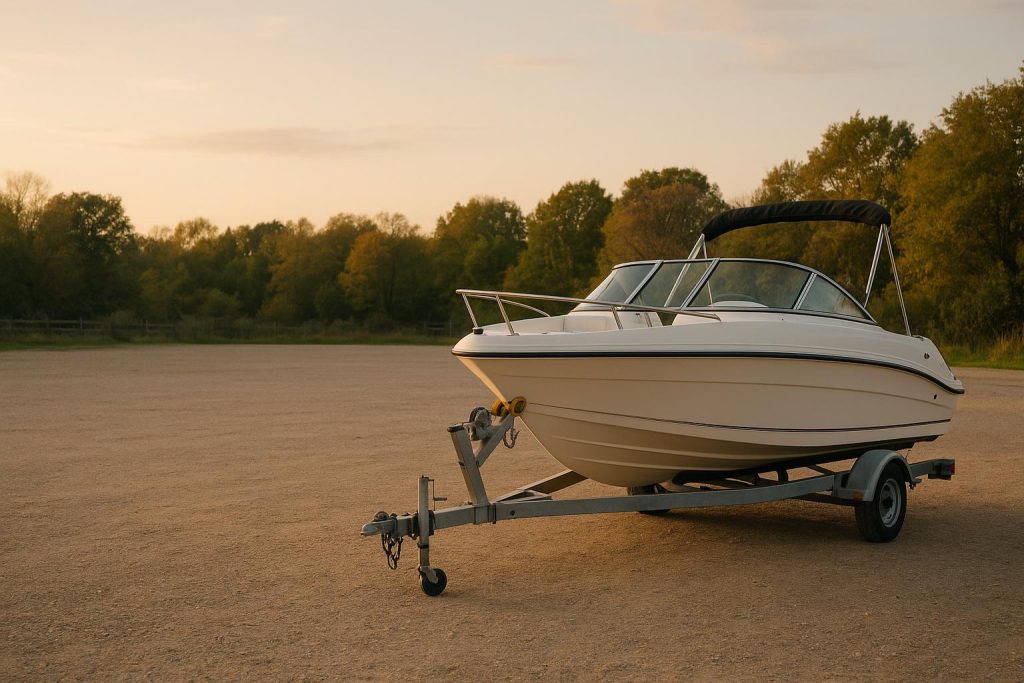
Proper Boat Storage for Several Months: A Comprehensive Guide
Storing a boat for a few months—or even longer—does not have to be complicated. With thoughtful planning and proper prep, it’s entirely possible to park your boat without exposing it to unnecessary damage. Whether you’re looking to stow away your vessel for winter or simply need an off-season solution, this guide will walk you through best practices that protect your boat’s condition and value.
Long-term boat storage is about more than just parking your boat on a random patch of land. You need to think about cleaning, weatherproofing, and security, among other factors. By addressing these points methodically, you can ensure minimal deterioration and a hassle-free experience come spring or whenever you next want to get back on the water.
Why Proper Storage Matters
Boats are built to handle the elements on the water, but they aren’t invincible. The sun, wind, and moisture can still wear down your boat’s exterior. If your boat is simply left outside for months with no real plan, you may find yourself dealing with cracked seats, faded paint, or weakened structural components. Protecting your boat against these risks is not only cost-effective, but it also safeguards your investment for the long term.
Good storage also helps curb potential mechanical issues. Even minor problems—like a small crack or loose fitting—can transform into larger headaches if ignored during a prolonged storage period. By giving your boat a thorough inspection before you park it, you minimize the chances of sneaky damage building up under the radar.
Pre-Storage Inspection and Maintenance
Start with a detailed inspection. If you find any mechanical or structural issues, address them before you park your boat for several months. Here’s what to look for:
- Hull damage: Scan the surface for cracks, dents, or blisters that might worsen over time.
- Engine check: Have a technician or a knowledgeable friend help you confirm that the engine is in good condition. Replace worn-out belts, hoses, or spark plugs before they snap in cold weather.
- Fluid levels: Make sure oil, coolant (if applicable), and other fluids are properly topped off. Old oil can contain contaminants that corrode your engine’s internal components.
- Electrical systems: Test battery connections and remove batteries entirely if you expect the boat to sit idle for a while. A fully charged battery stored in a safe spot will be easier to reconnect when you’re ready to use the boat again.
If you’re planning to store your boat over the winter, consider winterizing it. Winterization includes adding antifreeze where necessary, draining the water from the engine and plumbing systems, and making sure the boat’s interior is completely dry. While some folks overlook these steps, it’s important to handle the basics right—especially in a climate with harsh freezes.
Deep Cleaning Before Storage
Cleaning might seem obvious, but it’s often skipped by owners who just want to park their boats and call it a day. A thorough cleaning does more than please the eye. It removes salt, dirt, and other debris that can lead to rust or mold.
- Exterior wash: Begin with a freshwater rinse. Use marine-friendly soap to scrub away the grime from your hull. Make sure you get rid of any algae or barnacles, as these can hide moisture and cause rot.
- Interior cleanup: Take out personal belongings, life jackets, and any perishable items. Vacuum the carpets or wipe down floors to remove crumbs, dirt, and moisture—helping to deter mold and pests.
- Canvas care: If your boat has canvas covers or bimini tops, clean them thoroughly and let them dry before storage. Damp fabrics are a magnet for mildew.
Once you’ve finished cleaning, be sure to air out the boat. Even a small amount of trapped moisture can lead to unpleasant odors or material damage by the time you’re ready to launch again.
Covering Your Boat
A durable cover is essential for long-term boat storage. Make sure your cover is designed to fit your vessel’s dimensions. This not only protects your boat from rain, snow, and dust, but it also keeps rodents and insects away from the interior.
While it’s possible to store a boat without a cover, doing so leaves it more vulnerable to the elements. If you’ve ever wondered whether a cover is a must for longer parking periods, take a look at Do I need a cover for my RV if I’m parking it long term?. While that FAQ focuses on RVs, many of the considerations—such as safeguarding interiors and mechanical systems—also apply to boats.
Choosing the Right Storage Facility
Where you leave your boat is just as important as how you prep it. Look for a facility that offers secure, fenced, and gated spaces, which can help deter theft or vandalism. Many owners also appreciate well-lit lots with security cameras for extra peace of mind.
Space is a top priority, especially if you have a boat on a sizable trailer. Narrow, cramped lots make maneuvering tricky, so search for a location that provides wide lanes and adequate room to park. If you’re wondering how big your boat can be before running into a space issue, check Are there size restrictions for long term parking spots?. A little upfront research can save you from discovering late in the game that your boat is too large for a particular spot.
If you prefer a specialized service, consider Boat Storage providers that understand the unique demands of boat owners. Some storage facilities, for instance, offer 12×40 ft gravel stalls with plenty of clearance for trailers, plus extra-wide lanes for turning. This kind of setup makes it easier to drop off and pick up your boat, whether you’re coming from a weekend trip or storing it for the entire off-season.
Addressing Pests and Moisture
Pest control is sometimes overlooked by boat owners. Mice, spiders, and insects can quickly find ways into boats, especially if there are cracks or open spaces. To keep critters at bay, try using natural repellents like peppermint sachets or cedar blocks. For bigger infestations, consult a professional who can recommend boat-safe treatments.
Beyond pests, moisture build-up is a common concern—particularly in regions with long, damp winters. Mold and mildew thrive in dark, moist spaces. You can address this by ensuring your boat is completely dry and using moisture absorbers or dehumidifiers (small, passive ones often work fine for enclosed spaces). If you’re curious about preventing moisture in larger vehicles, you can also glance at How do I protect my RV from moisture build-up while parked long term? to gather similar tips that apply to boats.
Securing Your Boat for Peace of Mind
Security is a multi-faceted concern when you’re leaving a valuable item parked out of sight for months. Proactive boat owners go beyond relying on the facility’s gate or fence alone. Consider using a steering wheel lock or a hitch lock for the trailer. Remove any expensive electronics (like fish finders) and store them at home. Better safe than sorry.
To learn more about security measures at typical long-term parking locations, see Do most long term parking facilities include any security features?. While you’ll likely find that many facilities make efforts to protect your property, you can bolster that protection with your own personal security devices.
Preparing for Climate Extremes
In colder climates, freezing temperatures can wreak havoc on any leftover water in the boat’s systems. Water expands when frozen, causing potential cracks in plumbing, the engine block, or even the hull in severe cases. Proper winterization can prevent these problems, saving you from expensive repairs come spring.
In sunnier, hotter locations, the main concern shifts to preventing UV damage and ensuring good airflow under any covers. If your area is prone to heavy storms, make sure your boat cover is well-fastened, and keep an eye out for pooling water.
When to Check In on Your Boat
Even with the best preparation, it pays to inspect your boat a few times during its storage term, especially if you’re unable to store it in an enclosed area. Routine checks can uncover small problems early on, such as nesting insects or a cover that’s slipped out of place. If you notice anything amiss, fix it immediately to avoid prolonged damage.
While some owners only check on their boat once—right before taking it back on the water—it’s generally advisable to give it at least a glance once a month. A quick walkthrough of the storage facility also ensures you’ll notice any changes or security updates that could affect your boat.
Bringing Your Boat Out of Storage
The day you’ve been waiting for arrives, and it’s time to put the boat back in motion. Before hitching up the trailer and heading to the lake, run through a short checklist:
- Battery and electronics: Reinstall or reconnect the battery, test your lights, and ensure your navigation lights and horn are working.
- Engine and fluids: Check fluid levels again, and if you winterized your boat, flush out antifreeze and refill coolant as required.
- Fuel system: Inspect fuel lines for cracks or damage. If you added a fuel stabilizer before storing, you should be in good shape.
- Interior and hull: Confirm that everything is clean and dry. Look for new signs of mold or mildew, especially in hidden corners.
A thorough once-over before hitting the water can save you from major headaches once you’re out on the lake or ocean. In most cases, a well-prepared boat will come out of storage ready for the next adventure with minimal fuss.
Consider Simple Pricing and Practical Solutions
Lastly, while climate-controlled or indoor facilities might not be part of every storage offering, you don’t necessarily need those high-end options to keep your boat safe. Many boat owners find success with outdoor, uncovered options—provided the stalls are sufficiently large and the facility is secure.
If the boat storage you’re considering has no hidden fees and straightforward, flat-rate pricing, you can worry less about unexpected costs. And if you’re the type who values ease of access, choose a lot “just outside the city” to avoid traffic snarls and tricky intersections.
Putting It All Together: A Hassle-Free Storage Experience
The key to parking your boat for several months without damaging it lies in thorough preparation, mindful facility selection, and occasional check-ups. Think of the process as an extension of routine boat maintenance. The more attention you pay to each step—cleaning, covering, winterizing, and securing—the easier it will be to return to the water when you’re ready.
If you’re still concerned about making the right moves, don’t hesitate to consult with professionals at specialized facilities like those offering Boat Storage. You’ll find that many have helped hundreds—if not thousands—of boat owners store their vessels safely over the off-season. Their insights often prove invaluable, especially if you’re new to long-term storage.
With the right setup, you can confidently let your boat rest for a week, a month, or an entire season. By the time you’re back behind the helm, you’ll thank yourself for taking those few extra steps now to prevent wear and tear. After all, a boat is meant to bring joy, not unexpected stress. Enjoy the peace of mind, and look forward to smooth sailing when storage season finally ends!