Storing Temperature-Sensitive Items in a Seacan: Everything You Need to Know
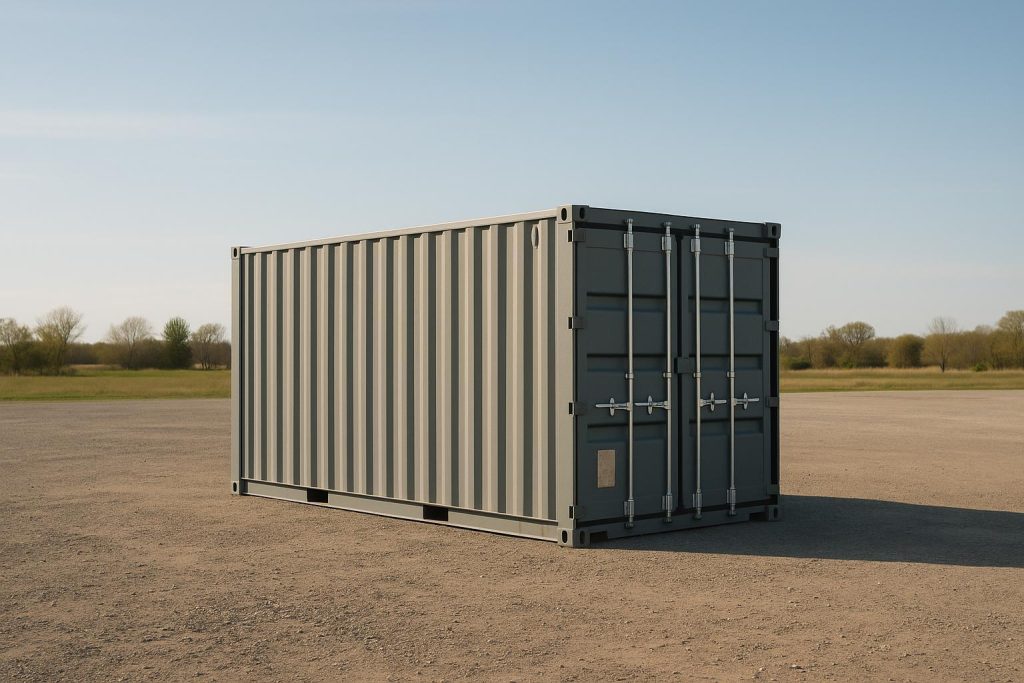
When people talk about seacan storage, they’re usually referring to a shipping container (sometimes called a “sea can”) that’s been repurposed for land-based storage. These sturdy metal units are built to keep goods safe during overseas transit, which means they’re tough, wind- and water-resistant, and excellent at withstanding harsh outdoor conditions. However, one question often arises: “Are seacans suitable for temperature-sensitive items?” The short answer is typically no, because seacan storage units aren’t climate-controlled. But there’s a lot more to it than that. Read on for a deep dive into why temperature control matters, how seacans respond to Alberta’s weather, and what you can do if you have items that require special care.
The Basics of Seacan Storage
Seacan containers are made from corrugated steel, designed to be both rigid and weather-resistant. This construction protects against most external elements, like rain, snow, and wind. Even in tough climates, a sealed container prevents moisture from getting in, which is especially handy in places with heavy snowfall or frequent summer storms. Because these units are inherently strong, they’re often placed in secure, fenced lots and used to store anything from household goods to off-season equipment.
Yet, while seacans excel at keeping water out, they aren’t designed to regulate internal temperature. In a region like Alberta, for example, temperatures can swing dramatically—from scorching hot summers that reach above 30°C to brutal winters that dip below -30°C. This wide range means the interior of a seacan will follow temperature shifts much like a car parked outside. On exceptionally sunny days, the inside can become quite hot, and during cold snaps, the temperature drops quickly. Though these units protect against rain and wind, they don’t maintain a stable climate for delicate or heat-sensitive goods.
Why Temperature Control Matters
For some items, temperature changes aren’t a big deal. Durable things like metal tools, outdoor gear, certain types of furniture, or objects you’d normally store in a shed or garage can handle the usual fluctuations. However, if you have items that can be damaged by extreme hot or cold conditions—such as perishable food, important paperwork, priceless artwork, antiques, or certain medications—then a non-climate-controlled seacan may not be the right fit.
Here are a few common categories of temperature-sensitive items:
- Perishables: Any food or organic matter that needs refrigeration. Storing perishable items in a seacan can lead to spoilage quickly.
- Electronics and Appliances: Major temperature fluctuations can affect circuits, batteries, and the lifespan of devices.
- Wooden Furniture or Instruments: Real wood can warp or crack with dramatic humidity and temperature changes.
- Artwork, Photos, & Paper Documents: Extreme heat or moisture can cause fading, warping, or mold growth on delicate materials.
If your items fall into any of these categories (or are otherwise sensitive to temperature extremes), it’s generally best to look for a storage method that offers more stable conditions. That doesn’t mean you can’t use a seacan at all—it just requires some extra considerations and precautions.
What to Expect from a Seacan’s Interior Climate
Even though seacans are wind- and water-resistant, they can become quite warm on a sunny day. Metals absorb heat quickly, so direct sunlight can raise the temperature inside. In the shade or during cooler months, seacans may stay closer to the outside ambient temperature—meaning in winter, they can be freezing inside. Because they don’t come standard with ventilation or insulation, many seacans will mirror the weather outside, only a few degrees off.
If you’re considering a seacan for your storage needs, it’s helpful to keep a watch on local temperature trends. In Alberta, huge swings from day to night are common, and those changes are reflected inside a non-insulated container. Some owners choose to install vents or add basic insulation to mitigate these swings, but these modifications can be costly and still might not provide the same consistent climate as a dedicated temperature-controlled space.
Steps to Protect Items in a Non-Climate-Controlled Seacan
While a seacan doesn’t offer actual temperature control, there are ways to reduce the impact of temperature swings and make storage a bit safer for less sensitive goods:
- Proper Packing: For electronics or more delicate belongings, consider using sealed plastic bins, bubble wrap, or foam padding. This can cushion items from rapid temperature changes.
- Elevate Boxes: Placing pallets or shelving inside keeps your items off the floor. This provides better airflow and helps avoid any dampness that might occur from condensation or ground moisture.
- Desiccant Packs: Humidity-absorbing packs can help combat moisture buildup. They’re especially helpful if you’re storing any paper-based items (though these might not be suitable for the most delicate documents).
- Choose the Right Season: If you know you’ll be storing temperature-sensitive items only briefly, aim for milder seasons like spring or early fall. That way, the container’s internal climate is less likely to hit extreme temperatures.
- Short-Term vs. Long-Term: For a short-term solution—maybe you need a temporary spot for a few weeks—less insulation might be fine. But if you plan to keep your belongings in a container for months, especially over a harsh winter or blazing summer, it’s worth reevaluating your storage options.
Consider Alternatives for Highly Sensitive Items
Although seacans are excellent for many kinds of belongings, some items simply require stable conditions year-round. Documents with sentimental value (like family photos or legal papers) might be better kept in a temperature-regulated environment. The same goes for fragile antiques, expensive equipment, or anything with strict manufacturer guidelines on safe storage temperatures.
At our facility, Seacan Storage is one of the core offerings for customers who need spacious and secure units. But we also know that these containers aren’t climate-controlled. Some people may choose to insulate or ventilate a container themselves if they own it, but that isn’t always a simple fix. If you’re in doubt about whether your items can handle the temperature swings, it’s typically safer to select a more controlled environment or limit storage duration so your belongings see less exposure to extremes.
How Seacans Compare to Other Storage Options
People who need fast, affordable, and secure space often love the simplicity of a seacan. The all-steel design is robust; it’s essentially like having a large, weatherproof box for your items. Unlike storing things under a tarp or in an open-sided carport, a seacan provides an extra layer of protection against wind, rain, and snow. Yet compared to fully climate-controlled facilities, it lacks the technology that regulates temperature or humidity.
Some might wonder if Off Grid Garage Rental could solve the temperature challenge. While these enclosed garages can protect items from direct weather exposure, they typically do not include climate control either. So, though they may keep items more secure and sheltered from hail or direct sunlight, they’re not guaranteed to keep items at a moderate temperature 24/7.
For everyday items—outdoor gear, seasonal furniture, lawnmowers, or work tools—a seacan is often a perfect match. It’s secure, keeps things dry, and stands up to Alberta’s wind and snow. But for something that can’t handle big ups and downs on the thermometer, a seacan may pose a risk.
Insulation and Ventilation: Can You Improve a Seacan’s Interior?
Some owners look into insulating their seacan, and this could be an option if you’re committed to using the container for more sensitive items. Insulation, plus venting, helps moderate drastic temperature swings. However, it’s important to note that insulation doesn’t mean climate control. Without an actual HVAC system or external power source, you’ll still experience cold snaps and hot spells. Insulation just slows the rate of change and helps hold warmth or cool air a bit longer. It may also help reduce condensation.
Ventilation can allow heat to escape in summer and reduce moisture buildup year-round. Simple steel vents, whirlybird roof vents, or even small fans can create airflow. These modifications can certainly help, but they won’t transform the interior into a stable, consistent environment like a climate-controlled facility would provide. If you decide to go this route, it’s best to discuss your specific needs with a storage provider or container specialist who can advise on the best approach for your items.
Safety and Security Advantages
One of the greatest benefits of storing your items in a seacan is the security factor. Each container has a sturdy metal shell, typically with lockable double doors. This design makes unauthorized intrusion more difficult, which is a plus if you’re storing anything valuable that isn’t extremely temperature-sensitive. Also, when you place your container at a fenced and gated facility, you add an extra layer of security. This is particularly appealing for tools, work equipment, or commercial inventory that doesn’t require delicate climate management but does need consistent protection from theft and weather.
Because seacans are stable structures, they can also be set down on level gravel, pavement, or directly on your leased spot. If you’re using a shared facility that offers these containers, they often come pre-positioned and ready to use, saving you the hassle of hauling or installing your own storage container.
Assessing Your Storage Needs
Before choosing to store your belongings in any container, consider the following questions:
- How sensitive are my items? If they can’t tolerate temperature extremes or drastic moisture changes, you might need climate control.
- What’s my time frame? Shorter stints (a few weeks or a month) may be safer for items that can’t handle a long winter or sweltering summer.
- Am I willing or able to modify a container? If you already own a seacan, insulating it could help. If you’re renting, see if modifications are allowed.
- Is security or climate more important? If your biggest concern is security rather than temperature, a seacan is likely a great fit.
Ultimately, picking the right storage method comes down to balancing what the container can provide—safety, space, weather resistance—with the specific requirements of your belongings.
Making the Most of Your Seacan Storage
If you decide a non-climate-controlled container meets your needs, it helps to prepare items ahead of time. Clean and dry all pieces thoroughly to prevent mold or mildew from forming, especially if there’s any chance of moisture seeping into boxes or containers. Use pallets, shelves, or racks to keep things organized and avoid direct contact with the steel walls or floor. Label all boxes clearly so you can quickly access them when needed. This attention to detail can reduce surprises down the road and keeps your unit running smoothly.
Keeping it Simple and Effective
Seacan storage is often described as “no-frills” for a reason: it’s all about straightforward, durable protection. You get a large metal container, and you place your items inside. No hidden fees, no complicated system. That’s why many owners appreciate seacans for their equipment, extra inventory, or personal items that aren’t fragile. It’s also why they’re popular in places like Alberta, where people need robust storage options to deal with winter storms and summer heat. If you can handle the temperature fluctuation, seacans are a secure, cost-effective solution.
Final Thoughts
While seacan storage units offer substantial protection from wind, water, and general wear, they don’t provide a controlled environment for temperature-sensitive items. Electronics, perishable goods, fine art, or anything that must be in stable conditions won’t fare well long-term in non-insulated containers. In some cases, short-term storage or additional modifications could be enough, depending on your tolerance for risk and the vulnerability of your belongings.
If you’re primarily concerned about security and roomy, hassle-free storage for less sensitive goods, a seacan can be an ideal choice. At the end of the day, it all comes down to understanding your items’ needs and the capabilities of the container. When in doubt, talk to a storage professional who can guide you toward the right blend of space, protection, and convenience. That way, you’ll know exactly how the temperature inside your seacan might affect your belongings—and you can make an informed decision.
For more details on what to expect from a secure, straightforward seacan solution, feel free to explore our Seacan Storage page. Seeing the unit’s features in person or reviewing specifics can help you determine whether your items will be safe given Alberta’s changing climate. Whatever you choose, always consider the temperature needs of your items to ensure they remain in good shape, no matter the season.