Secure Access and Peace of Mind for Outdoor Vehicle Storage
Finding the right outdoor vehicle storage facility can be a daunting task. You want ample room to maneuver, straightforward pricing, and most importantly, genuine security measures to keep your property safe. For many people in Alberta, a key question is whether the facility actually provides secured access—and how that security is maintained. Below, we explore these questions in depth so you can feel confident about where to store your vehicle, whether it’s an RV, boat, car, or cargo trailer.
Understanding Secured Access
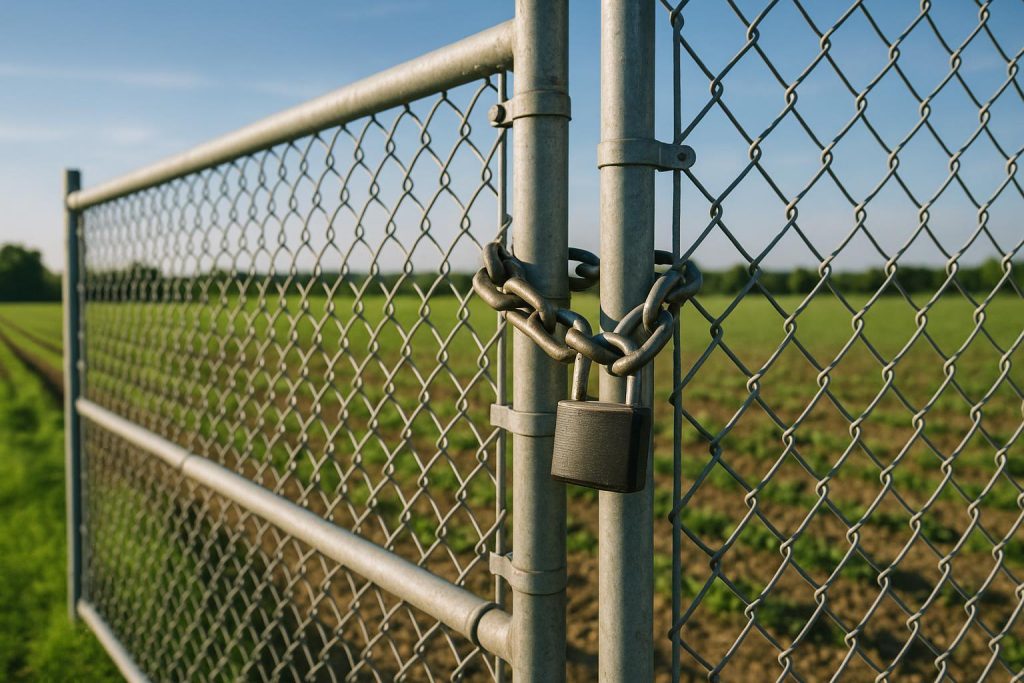
Secured access means the facility restricts who can enter, how they enter, and when. Rather than an unattended, open lot, an outdoor vehicle storage location with secured access will require a gate code, key, or management approval to get inside. It’s a form of controlled entry designed to protect all vehicles from theft, vandalism, or unauthorized removal.
Here are a few indicators of a well-managed secured access system:
- Gated Perimeter: A robust, fully fenced perimeter helps ensure that only authorized individuals come onto the property.
- Coded Entry or Key Access: If a gate code or key is required, it makes casual or unexpected entry much less likely.
- Set Hours of Operation: Limited hours, such as 8:00 am to 8:00 pm, let you retrieve your vehicle during a wide window while still maintaining a layer of security overnight and on weekends.
- Regular Monitoring: Some facilities have personnel who can periodically check or manage the site, ensuring everything is in order.
When an outdoor vehicle storage facility implements these measures, you can enjoy greater peace of mind knowing your RV, boat, or other large equipment is behind a protective barrier rather than sitting in a driveway or a street in your neighborhood.
Why Secure Access Matters
Large vehicles, such as RVs and boats, often require a significant investment. Even items like snowmobile trailers, ATVs, and specialized work trucks can rack up thousands of dollars in value. Leaving these assets parked in easily accessible places—especially if you live in a residential area with bylaws that restrict on-street parking—can expose them to potential risks.
A properly fenced and gated facility helps mitigate these risks by:
- Deterring Theft and Vandalism: Thieves or vandals are far less likely to target a facility with defined access points and monitoring.
- Maintaining Order: A controlled environment allows management to ensure that vehicles are stored properly, stalls stay tidy, and no unauthorized individual can loiter.
- Providing Peace of Mind: When your vehicle is out of sight and behind a gate, you worry less about break-ins or unauthorized use.
Ultimately, secured access gives you a sense of reassurance, especially when you’re storing a vehicle seasonally or for an extended period and can’t check on it every day.
Spacious Stalls to Match Your Security Needs
Security is often top of mind, but so is ease of use. After all, it doesn’t help to have a tight, cramped lot if you’re driving a 35-foot motorhome or a pontoon boat on a trailer. Some storage facilities have stalls barely wide enough to accommodate a large pickup, let alone a fifth wheel or a bulky horse trailer.
That’s why it’s crucial to look for an outdoor vehicle storage solution that offers 12×40 ft gravel stalls. These stalls give you plenty of room to fit larger RVs or even additional equipment. Also, a facility built with a roomy 45-foot-wide driveway between rows means you can maneuver without worrying about sharp turns or tight corners.
Generous stall sizes work hand-in-hand with secured access: you can park and retrieve your vehicle or trailer quickly and safely, rather than wrestling with a crowded lot that forces you to navigate within inches of your neighbor’s bumper.
Flat-Rate, Hassle-Free Storage
Another element tied to security is the sense of trust you feel about the management team and the business as a whole. A place that appears uncertain about its pricing or that buries you in confusing terms might raise concerns about how they handle more critical matters, such as site security or vehicle safety. Instead, look for a facility that embraces simple pricing and offers flat-rate terms.
When a storage provider is straightforward about costs—like offering a six- or twelve-month term without hidden fees—it suggests they’re equally transparent in how they operate overall. This translates to a reliable structure, which can foster a greater sense of security. After all, it’s not just about protecting your RV from outside threats; you also want to avoid unexpected billing surprises or unclear contract details.
Convenient Access Hours
One of the biggest perks of a secured facility is that you can typically get your vehicle when you need it, while still benefiting from locked gates outside of normal hours. Many people appreciate access that runs, for example, from 8:00 am until 8:00 pm. That’s usually enough time for you to pick up your trailer in the morning and head out for a weekend trip, or to drop it off after a day on the lake without scrambling against a short window.
At the same time, the limited hours also serve a purpose: they provide an extra layer of control. After hours, the gates remain locked, preventing unauthorized entry. This blend of convenience and security is particularly beneficial for those storing expensive gear or wanting to keep a close watch on their investments.
Types of Vehicles That Benefit from Secured Access
When you think about outdoor vehicle storage, travel trailers and motorhomes might jump to the top of your mind. But there’s a wide range of vehicles and equipment that can benefit from a secured access facility, including:
- Boats: Whether it’s a fishing boat, a wakeboard boat, or a pontoon, the fact that you can park it on a trailer means you want a secure facility that keeps it off residential streets.
- Cargo Trailers and Utility Trailers: Contractors and tradespeople may have tools and valuable materials on board, so they need safe overnight storage.
- ATVs, Snowmobiles, and Jet Ski Trailers: These are prime targets for theft if left in a front yard or alley, so a locked and monitored environment is a solid choice.
- Semi Trucks and Oversized Equipment: Some providers offer semi truck storage, a solution for drivers who need a secure lot to park when not on the road.
Secured access also matters if you’re storing seacans or containers filled with personal or business items. Restricted entry and fencing keep those units safe, so you can retrieve your contents without worrying that an unauthorized person has rummaged through them.
Outdoor Storage vs. Indoor Storage
Many people ask if an outdoor storage facility can really offer good security. The truth is that while such a facility is uncovered, it doesn’t have to compromise on safety. In fact, outdoor vehicle storage can be just as secure as indoor options if the lot is fully enclosed, gated, and monitored.
Indoor or covered storage typically includes additional facilities like enclosed buildings or power hookups, but it’s not always necessary. If your main concerns are security, space, and pricing, an outdoor storage solution where your vehicle is locked behind a gate and away from casual foot traffic may be all you need.
Additionally, some people turn to an off-grid garage rental for storing tools and smaller vehicles, finding it a happy medium between fully indoor storage and fully exposed outdoor storage. The convenience of having a roof over your equipment can be a plus, though the best choice depends on your specific vehicle and budget.
Location and Accessibility
Closely tied to security is the facility’s location. For example, a storage lot located just outside the city might experience less casual passersby or foot traffic than one in a busy commercial area. However, location should also be convenient for you to reach. You don’t want to waste extra time driving far out of town just to store or pick up your RV.
In many cases, the ideal balance is a facility “just outside the city”—close enough for a quick trip but not so urban that it’s next to a shopping mall or a congested main street. When it’s near major roads and highways, hooking up your trailer and heading out on your latest adventure becomes a breeze.
Simple Steps for Hassle-Free Storage
When you’re looking to store your vehicle in a facility with secured access, a few straightforward steps help make the process smooth and stress-free:
- Measure Your Vehicle: Before signing on the dotted line, ensure your vehicle will fit comfortably into the facility’s standard stall size. Many places have spacious stalls—12 feet wide by 40 feet long—so confirm it meets your needs.
- Review Security Features: Ask about gating, fencing, monitoring, and whether there’s coded or keyed access. This also gives you a feel for how responsive the management is to your concerns about safety.
- Confirm Access Hours: Make sure the hours align with times you typically retrieve or store your rig. If you’re an early riser or someone who travels late at night, clarify whether special accommodations are possible.
- Check Contract Terms: If the facility promotes no hidden fees, confirm which costs are included with your rental. You want flat-rate pricing to avoid surprises down the road.
- Visit in Person: Whenever possible, see the lot firsthand. Note whether the pathways are wide and well-maintained, if the stalls are easily identifiable, and whether the staff or owners seem knowledgeable and friendly.
Following these steps ensures you won’t encounter any last-minute frustrations. Instead, you’ll have a reliable, secure, and accommodating spot to park whatever you need to store.
Catering to Seasonal and Year-Round Needs
Secured access is especially important for those who only bring out their vehicles seasonally. In Alberta, winter can be long and harsh, making it important to keep your boat or travel trailer out of harm’s way without cluttering your home’s driveway or violating bylaws. Storing your vehicle in a locked facility keeps it safer from snowdrifts, vandalism, or even curious neighbors.
Meanwhile, if you’re a year-round traveler—say, you take your motorhome down to warmer climates each winter—knowing you can pop by a facility at a reasonable time in the evening to drop off your rig provides real convenience. Plus, you don’t have to stress about it getting tampered with while you focus on the next adventure.
Making the Most of Your Storage Experience
A big part of secured outdoor storage is about peace of mind, but you can also make the experience smoother by practicing a few best practices:
- Keep Your Vehicle Tidy: Remove any valuables from sight, ensure tires are properly inflated, and lock all doors and compartments.
- Regular Maintenance Checks: Even if your vehicle is in a secured facility, perform periodic checks to make sure everything is in working order—especially if it’s stored for multiple months.
- Stay Organized: Label items inside your RV or cargo trailer so you can find what you need quickly. This makes retrieval faster when you have limited access hours.
- Follow the Rules: If the facility has guidelines on parking angles, stall boundaries, or maximum trailer lengths, respect those. It helps everyone have a better experience.
By adopting these habits, you’ll keep your vehicle in top shape and make storing it for the offseason or less-frequent use a breeze.
Storage Options for Every Vehicle
Those seeking more specialized solutions—such as RV storage or boat storage—can find facilities that cater specifically to these vehicle types. For instance, designated RV storage areas might include pull-through stalls that reduce the hassle of backing up a 40-foot rig. Meanwhile, boat storage areas might include extra-wide lanes for maneuvering a long trailer. The overarching theme remains security. No matter which type of vehicle you have, the facility’s approach to controlling gate access, fencing, and hours remains a top priority.
Whether you’re storing a personal vehicle like a motorcycle or looking into car storage for your truck, security should remain a non-negotiable. The more robust the security measures, the less risk you’ll face down the road.
Why a Local Provider Matters
Many drivers in Alberta prefer a locally owned storage facility over a big, impersonal chain. Local providers understand the region’s climate, the influence of city or county bylaws, and the common challenges people face in storing oversized equipment. They offer a more neighborly approach, focusing on being reliable and down-to-earth. Typically, they’re the type of people who will address security concerns immediately and directly, rather than redirecting you through multiple customer service departments.
That local touch can matter if you run into questions about winterizing your RV or prepping your boat for the harsh freeze. The staff or owners, often Albertans themselves, know the routine and can offer insights on best practices for cold-weather storage. It’s another layer of support that’s rooted in practicality rather than sales tactics.
Conclusion: A Secured Access Facility You Can Trust
Storing a vehicle outdoors doesn’t have to mean sacrificing security or convenience. With the right outdoor vehicle storage facility, you can find a location that combines a gated, fenced perimeter and limited access hours with spacious 12×40 ft gravel stalls, wide driveways, and transparent, flat-rate agreements. It’s the perfect balance of safety, affordability, and user-friendly design—especially when you want to store your RV, boat, trailer, or other vehicles without worry.
After all, the main reason to consider a secured outdoor storage option is peace of mind. You get to keep your vehicle in a spot that’s well-monitored and out of harm’s way. You don’t have to clutter your home or risk neighborhood bylaw fees, and you can rest easy knowing you have a dedicated place to park for as long as you need. Whether you’re facing winter’s snowfall or simply don’t want your vehicle on the street, a secured-access facility can be the practical, dependable solution you’ve been seeking.
When you’re ready to learn more or have further questions about security, hours, or pricing, don’t hesitate to reach out to a trusted local storage provider. It’s worth taking the time to visit in person, inspect the gate and fencing, and see just how spacious—and secure—the stalls are. That way, you’ll know your vehicle is in good hands, safely stored in a hassle-free environment tailored to your needs.