Ensuring Safety and Peace of Mind with Trailer Storage
Security is often the top concern for anyone looking to store a utility, cargo, or travel trailer. Whether you use your trailer for work, recreation, or both, you want to know it’s safe and secure when not in use. This comprehensive guide explores how secure trailer storage facilities typically are, the measures they take to protect your property, and the key factors you should consider when selecting the best place to park your trailer. We’ll look at why features like fencing, sturdy gates, 24/7 video surveillance, and even well-planned lighting matter. We’ll also go into detail about the questions you should ask before making a commitment, and the proactive steps you can take to reinforce your trailer’s security. By the end, you’ll have a deeper understanding of how security works in many modern trailer storage facilities and the peace of mind that comes from choosing a setup that fits your needs.
Why Trailer Storage Security Matters
Trailers come in many shapes and sizes—from hefty cargo trailers hauling tools or machinery, to lightweight campers waiting for the next Alberta camping trip. No matter what type of trailer you own, it represents a significant investment in both time and money. Leaving that investment unprotected in a driveway or on a side street can expose it to risks like theft, vandalism, and weather damage. That’s why many people turn to specialized storage facilities. These facilities often provide secure storage measures that go beyond what’s possible on most residential properties. From large gates to well-lit grounds, everything is designed to deter unwanted visitors and keep your vehicle in good shape for when you need it next.
In Alberta, another factor feeding the need for reliable trailer storage is local regulations. Many cities and neighborhoods restrict the size and duration of parking for larger vehicles. Depending on your municipality, it might even be illegal to park a large trailer in your driveway year-round. Security and compliance with bylaws are often two of the largest factors pushing people to look for a professional storage solution.
Typical Security Features You’ll Find
While the precise security measures at each facility differ, there are several common features that can help you pinpoint a secure space for your trailer. Understanding these helps you evaluate whether a location will afford you the level of security and peace of mind you expect.
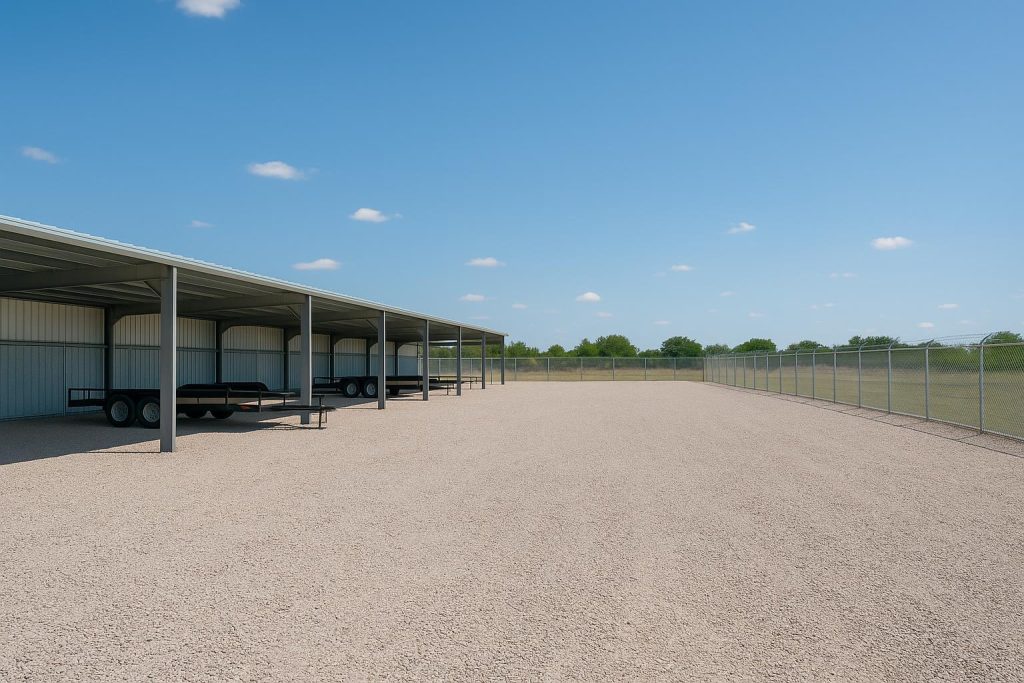
- Perimeter Fencing and Gated Access: A sturdy fence is usually the first line of defense at a trailer storage facility. Secure, well-maintained fencing around the entire perimeter makes it much harder for unauthorized individuals to enter. The gate itself can vary in design, from a heavy-duty manual gate to an electronic entry system with individual access codes for each customer.
- 24/7 Video Surveillance: Security cameras act as both a deterrent and a valuable recording tool in the event of an incident. They can monitor entrances, exits, and key areas throughout the facility. High-resolution cameras generally provide clear images that can assist in identifying potential trespassers.
- Bright Lighting: Strategic lighting is crucial to reducing blind spots and discouraging theft under the cover of darkness. When a facility is well-lit, it’s easier for staff or other renters to notice anything unusual and report it promptly.
- Onsite Staff or Security Patrols: Some facilities have staff on-site during the day, and a few even provide overnight patrols to monitor activity. Even if a location isn’t staffed 24/7, regular check-ins by personnel can be a great comfort.
- Individual Stall Security Measures: In some facilities, each trailer space has added components such as locks, wheel clamps, or specialized sensors. This extra layer of protection can help reduce theft and tampering.
What to Look for When Choosing a Trailer Storage Facility
When weighing your options, there’s more to trailer storage than fencing and locks. Security might be the biggest concern, but you should also consider logistics, convenience, and cost. Here are some critical questions to ask:
- Is the Facility Fully Fenced and Gated? Verify if the property perimeter is intact and if the gate system works effectively. If it’s electronic, ask how access codes are managed and changed.
- Do They Have Security Cameras? Inquire about camera coverage. Do they record 24/7, and are they positioned to capture clear footage of the entire lot?
- Who Has Access and When? Some places restrict after-hours entry for added security, while others provide 24/7 access. Clarify how and when you can retrieve your trailer.
- Are There Clear Lighting and Sightlines? Darkness can hide suspicious activity. Make sure the facility is well-lit so you can see your surroundings, especially during late pick-ups or drop-offs.
- Is There Onsite Management? Even part-time staff can help reduce vandalism or theft. Ask if there are employees who regularly walk the grounds or check on stored items.
- What Are the Stall Sizes? Security also means room to park safely without risking damaging your trailer during tight maneuvers. Ask if they have wide lanes or pull-through stalls. For instance, some facilities offer 12×40 ft gravel stalls, which make parking simple and reduce potential dings.
- How Transparent Is the Pricing? Look for no hidden fees, simple pricing, and clear contracts. A flat-rate approach is often a sign the business aims for transparency rather than complicated add-ons that might surprise you later.
Securing Your Trailer on Your Own
While a facility’s security features are important, you can take several measures yourself to further protect your trailer:
- Invest in High-Quality Locks: Use a heavy-duty coupler lock or hitch lock to keep a thief from hitching up and driving away.
- Remove Valuables and Documents: Keep your trailer free of expensive gear, electronics, or sensitive documents that might attract thieves.
- Use a Wheel Lock or Chock: This makes it more difficult to move the trailer without the proper tools and is often a strong visual deterrent.
- Check Insurance Options: Some insurance policies cover your trailer when stored, especially if it’s at a secure, gated facility. Ask your provider for details and ensure your coverage is up to date.
- Perform Routine Inspections: Each time you visit, walk around your trailer to look for any signs of tampering—things like bent hitches, damaged locks, or traces of forced entry. Early detection of a potential issue can prevent bigger problems down the line.
Taking these extra steps can bolster a facility’s security measures. It also gives you reassurance, knowing you’ve done everything within your control to keep your property safe.
Storing Through Alberta’s Seasons
Alberta’s climate brings its own set of concerns, particularly in winter. Snow, ice, and freezing temperatures can pose challenges for anyone storing a trailer outdoors. While security is often a question of preventing theft or vandalism, part of feeling secure is knowing your trailer won’t suffer from environmental wear and tear.
- Snow Removal: Ask if the facility clears snow from main driveways and parking areas. Easy entry and exit during winter months is important.
- Drainage: Gravel lots with good drainage can help prevent water from pooling around your trailer’s tires or frame. Both freezing water and standing puddles can cause corrosion over time.
- Winterization Tips: Whether you’re storing a camper trailer or a cargo trailer, consider winterizing key components—like draining water lines or removing sensitive items. Even well-secured trailers can suffer winter damage if not properly prepped.
Facilities that offer trailer storage in regions like St. Albert, North Edmonton, or Fort Saskatchewan typically cater to drivers who deal with harsh winters. A combination of secure gates, robust fencing, well-lit lanes, and easy winter access helps keep your trailer in reliable condition year-round.
Extra Convenience: Space and Layout
One factor that often goes hand in hand with security is the overall layout of the storage lot. When space is too tight or poorly arranged, you might have to jockey your trailer in cramped corners or stretch across multiple lanes. Beyond the risk of fender benders, tight spaces can be a security concern if your trailer is tucked into a blind spot. Wide, well-organized lanes give you more room to comfortably back in, park, and lock up. The better you can see around your trailer at all times, the less likely it is that someone could tamper with it unnoticed.
Some facilities even feature pull-through stalls, removing the hassle of reversing. Clearing that hurdle can be a real game-changer, especially if you’re making late-night returns from a trip or have a larger unit to park. A straightforward approach underscores the facility’s commitment to providing more than just a locked door—they’re offering a hassle-free storage experience and, by extension, a sense of calm and confidence.
The Role of Pricing and Transparency
For many trailer owners, pricing and contract terms can shape their perception of overall security. Why? Because consistency and clarity often signal that a facility does things properly from top to bottom. If a business is transparent with its flat-rate approach and openly discusses how it manages site security, chances are it places a high priority on protecting your trailer. A facility that tries to disguise its costs or push unnecessary add-on fees may be cutting corners elsewhere—a potential red flag for those concerned about their trailer’s well-being. Instead, look for places that emphasize simple, straightforward pricing with no hidden fees. This type of arrangement typically aligns with facilities that are just as diligent about security as they are about customer satisfaction.
Prioritizing Local Facilities
Another way to ensure strong security is by choosing a locally owned and operated storage facility. Local businesses often rely heavily on their reputations in the region, so they tend to take good care of their customers. They might be more responsive if you have questions or requests. Plus, they understand the nuances of Alberta’s changing seasons, from freezing winters to summer storms, and often design their properties with weather concerns in mind. That means thicker gravel, better drainage, and other practical measures that can keep your trailer safer longer.
Trailer Security and Insurance: A Coordinated Effort
Even at the most well-protected facility, accidents can still happen. That’s where insurance plays a crucial role. Most standard auto or home policies can include coverage for a trailer, but specifics vary. Some policies only cover your trailer if it’s parked on your own property, so you’ll want to verify how coverage extends to a storage facility. If it doesn’t, you may be able to add a rider or specialized policy for peace of mind. Facilities with strong security measures might also enjoy lower rates or better terms from insurers, thanks to reduced risk. Before signing a contract, take a moment to connect with your insurance provider so you can be sure your coverage aligns with your choices and needs.
Exploring Dedicated Trailer Storage Solutions
In some cases, specialized trailer storage services are the best choice. These might include extra security layers like individually secured stalls, a dedicated entrance for trailers, or advanced tracking systems that record entries and exits. If you’re curious about exploring a focused environment for your trailer, you might want to check out options that highlight cargo and utility trailer storage. Facilities that focus on trailer storage rather than general vehicle storage can be a smart pick, as they’re often designed around the unique needs of bulky or specialized trailers. The staff typically has the expertise to help you handle potential challenges like hooking, unhooking, or maneuvering your rig safely in the lot.
Long-Term vs. Short-Term Security
One scenario that calls for particular attention is long-term storage. You might need to leave your trailer in a secure location throughout an entire off-season or for extended periods when you’re not actively using it. In these cases, look for facilities that consistently demonstrate reliability—like removing snow in winter, repairing fencing as soon as damage appears, or updating security protocols as technology evolves. Ask how often staff inspects the lot. Regular, proactive checks can catch issues early on, whether it’s a broken fence panel or a suspicious vehicle around the property. This vigilance often shores up overall peace of mind for those who can’t always pop in to check on their trailer themselves.
Final Thoughts on Choosing a Secure Trailer Storage Facility
There’s no single “perfect” trailer storage facility. The essence of security lies in a combination of physical defenses, proactive management, and your own efforts to safeguard your property. High-quality fencing, bright lighting, and 24/7 security cameras address the most common safety concerns. Meanwhile, removing valuables and keeping your locks in good condition provide that extra level of assurance.
When selecting a facility, consider how it handles the details: Is the entrance gate robust and well-functioning? Do they keep the grounds orderly, preventing cluttered, dark corners? Are the staff friendly enough to answer questions about their security measures? And, importantly, do they offer transparent, simple pricing that puts your mind at ease rather than leaving you with lingering doubts?
By taking the time to evaluate these elements, you’ll be well on your way to storing your trailer in a place designed with your peace of mind in mind. Whether you need short-term storage between road trips or a long-term arrangement during the off-season, a properly secured trailer storage facility is a worthwhile investment that protects not just your trailer, but also the sense of freedom and adventure it represents.