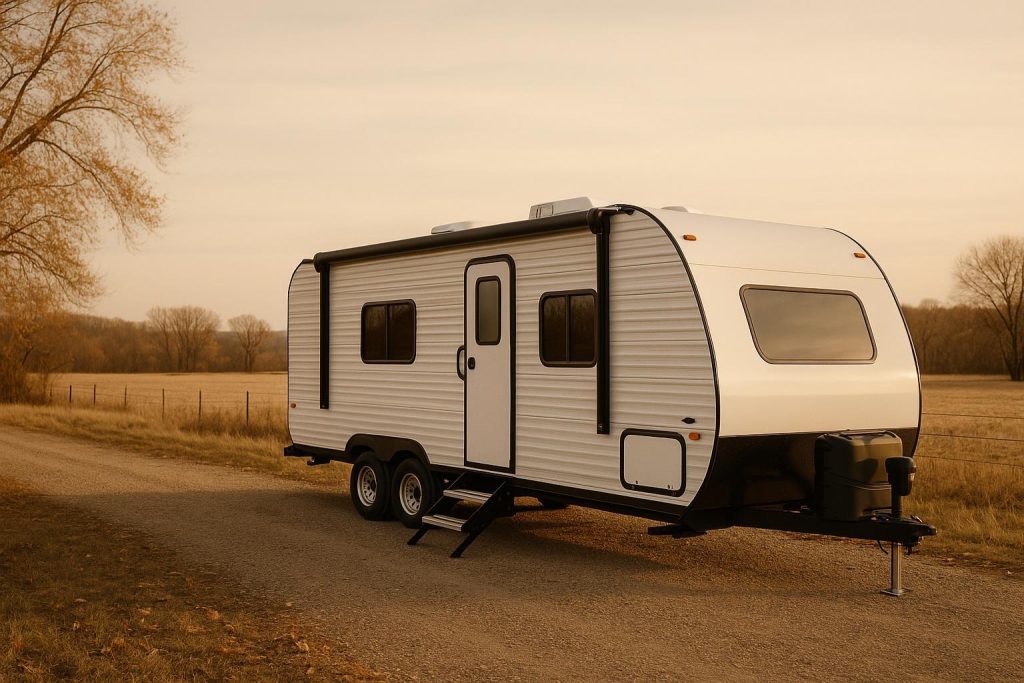
Essential Steps for Protecting Your RV During Winter Storage
When winter sets in across Alberta, it often signals the end of the camping and travel season for most RV owners. While some folks continue heading out on frosty adventures, many choose to tuck their RVs away to shield them from freezing temperatures, snow, and ice. Proper winter storage is crucial for safeguarding both the interior and exterior of your vehicle. Not only does it preserve your investment, but it also ensures that you’re ready to hit the road again when spring arrives. Below are detailed, practical steps on how to prepare your RV for winter storage, keep it in good condition, and avoid unwelcome surprises when it’s time to get back out on the road.
Remember to read through each step carefully—winterizing an RV isn’t just about tossing on a cover. From cleaning and inspecting key components to making sure your plumbing is fully drained, every detail matters. Taking these measures will bring you peace of mind and help you avoid unnecessary wear, tear, and repair bills.
Why Proper Winter Storage Matters
RV ownership in Alberta (and throughout many colder regions) poses some unique challenges. Harsh weather, freezing temperatures, and accumulated snow can wreak havoc on an RV’s systems if they’re not tended to properly. Drained plumbing systems, secure exteriors, and preventative maintenance are key elements of winterizing.
When you store your RV at a facility that offers secure storage and spacious stalls, you benefit from having a safe spot that’s designed with vehicle owners in mind. For example, RV Storage services offered by local providers may include wide lanes for easy maneuvering, gravel stalls sized specifically for larger vehicles, and gated security for peace of mind. However, even if you’re using your own property or a friend’s farm, the steps outlined below can help keep your RV protected in the off-season.
Step 1: Deep Clean the Interior and Exterior
Before you focus on mechanical or plumbing-related tasks, begin with a thorough cleaning. Grime, food particles, or moisture left behind can lead to odors, mold, or pest issues over the winter. Here’s what a complete cleaning entails:
- Remove all personal items: This includes clothes, bedding, electronics, and anything else you won’t need to keep inside during storage. Not only does this prevent damage and theft, it also opens up space for a thorough wipe-down.
- Clean cabinets and drawers: Wipe down all surfaces with a mild cleaner. Even small crumbs can attract rodents or insects, so make sure you get into the corners.
- Vacuum and mop floors: Remove any dirt, sand, or gravel from your last trip. This helps keep the interior fresh and deters pests.
- Sanitize the kitchen and bathroom: Clean out the refrigerator (if removable, wipe down all shelves and bins), scrub the sink and shower, and ensure no moisture remains. Leaving the fridge door slightly open can help prevent mold or mildew buildup.
- Wash the exterior: Removing dirt and road salt from the body, wheels, and undercarriage is essential. Pay attention to your RV’s roof, especially around vents and seams, to clear away debris and check for cracks or leaks.
A deep clean not only keeps your RV pleasant to return to, but also provides an opportunity to spot damage or issues that might need attention before the winter freeze sets in.
Step 2: Inspect and Maintain Key Systems
Once your RV is clean, you’ll want to do a thorough inspection of major systems. Identifying mechanical or structural problems now can save you considerable headaches in the future.
- Check the roof and seals: Look for cracks or gaps in the seals around windows, doors, vents, or skylights. Alberta’s windy, snowy conditions can take advantage of even a small opening, leading to water leaks.
- Look at tires: Make sure they are inflated to the manufacturer’s recommended pressure. If you’re storing your RV for several months, consider using tire covers to protect them from harsh sunlight and cold weather. Although it’s winter, the low-angle sun can still cause wear on exposed rubber.
- Assess the battery: Most RV experts suggest disconnecting and removing batteries if possible. Store them in a dry, cool place. Periodically charging them during the winter prevents them from draining completely.
- Check lights and electrical components: Now’s the time to confirm if your headlights, brake lights, and interior lighting are all functional. This step lets you address any issues so you’re road-ready come spring.
- Inspect the propane tank: Turn off the propane supply before storing your RV. For extra safety, many people prefer removing or disconnecting propane cylinders. Ensure the valves are tightly sealed.
By thoroughly examining your RV, you lower the chance of discovering a major issue in the middle of winter (when repair shops may be busy or less accessible) or in spring (when you’d rather be traveling).
Step 3: Drain the Plumbing System
Freezing temperatures can cause water to expand, bursting pipes and causing leaks. Properly preparing your water lines is one of the most vital steps in winterizing an RV:
- Flush and drain tanks: Empty the black and gray water tanks completely. Next, rinse them out thoroughly to remove residue. It’s also wise to clean the freshwater tank’s interior.
- Open all faucets: This includes the shower, sinks, toilet, and any exterior shower hoses if you have them. By opening faucets, you eliminate pressure that can cause water to remain in the lines.
- Blow out or add antifreeze: Some RV owners prefer blowing out the lines with compressed air. Others choose to add RV antifreeze formulated for plumbing systems. Either approach helps protect your water lines from freezing. If you use antifreeze, make sure to run it through all faucets and fixtures until you see the pink solution flow. Always use antifreeze approved for RV water systems—never use automotive antifreeze, which can be toxic for humans and pets.
If you’re unsure about any step, consult your RV’s manual or speak to a trusted mechanic. Properly draining and winterizing your water lines is worth the effort to avoid cracked pipes and leaks when temperatures plunge.
Step 4: Disconnect Power Sources
Along with removing propane cylinders, consider detaching other power sources:
- Disconnect from shore power: If you park your RV somewhere with electrical hookups, make sure to unplug everything to prevent electrical faults or surges during winter storms.
- Turn off the main breaker: This is an extra safeguard to ensure no electricity is coursing through your RV’s system while it’s unoccupied.
- Remove auxiliary batteries: Some people also remove small electronics or portable jump starters. This extra step can prevent energy drain and possible battery damage in cold weather.
Storing an RV with fewer active power connections helps reduce any risk of electrical issues or short circuits through the winter months, which is especially critical if your rig will be covered in snow for weeks on end.
Step 5: Secure and Cover Your RV
Alberta’s winter can be unforgiving, so having the right cover or shelter is a big plus:
- Use a breathable RV cover: Rather than using a standard plastic tarp, invest in a cover specifically designed for RVs. These covers are usually made with breathable materials that help protect the exterior without trapping harmful moisture underneath.
- Avoid direct contact with paint and windows: If a cover rubs against your RV’s surface all winter, it can cause scratching or scuffing. Carefully secure the cover so it doesn’t flap around in the wind.
- Consider tire covers: As mentioned, protecting your tires from extremes of temperature, wind, and UV exposure helps them last longer.
If your budget and space allow, off-grid garage rentals or covered canopies provide additional protection. However, many people go with high-quality RV covers if total enclosure isn’t available in their region. For example, at a facility that specializes in RV storage, you could have a secure lot plus the freedom to add your own specialized cover to fend off the elements.
Step 6: Prop the Fridge, Cabinets, and Doors
Even after cleaning, moisture can accumulate in enclosed areas. To avoid musty smells or mold growth, keep the refrigerator door propped open slightly. Some people also place moisture-absorbing products (such as small dehumidifier pouches) in these areas to prevent dampness.
Likewise, leaving cabinet or closet doors open can improve airflow. This ensures that the entire interior of your RV gets adequate ventilation, greatly reducing the risk of mildew and lingering odors come springtime.
Step 7: Prevent Rodent and Pest Infestations
Critters look for warm shelters during Alberta’s cold months, and an idle RV can seem like a welcoming home. A few simple steps can help keep pests at bay:
- Seal entries: Inspect your RV for any gaps or openings where mice or insects might squeeze through. Use weather stripping, foam sealant, or steel wool to fill cracks. Don’t forget air intake and exhaust vents.
- Remove all food sources: Even vacuuming thoroughly often leaves behind crumbs. Double-check all cupboards, drawers, and storage compartments for leftover snacks.
- Use deterrents: Natural options include peppermint oil or cedar blocks, placed in spots where rodents might enter. If your area has high rodent activity, consider standard traps as a precaution.
A pest invasion can cause real damage in an RV, chewing through upholstery, wires, and more. Keeping them out from the start is far easier than dealing with an infestation months later.
Step 8: Choose a Secure Storage Location
If you plan to store your RV off your property, it’s essential to pick a location that is both accessible and secure. Facilities that offer spacious stalls and easy access are beneficial when you’re maneuvering a large vehicle, especially during times of snow accumulation or muddy conditions. Look for features like:
- Fenced, gated lot: This provides an extra layer of security against vandalism or theft.
- Wide drive lanes and 12×40 ft gravel stalls: The extra space significantly cuts down on the stress of parking oversized vehicles.
- Flat-rate, simple pricing with no hidden fees: This helps you budget for the off-season without worrying about unexpected costs.
- Convenient access: Whether you occasionally need to retrieve items or simply prefer to check on your RV, easy in-and-out helps you stay on top of things.
Even smaller trailers, pop-up campers, or fifth wheels benefit from being stored in facilities designed for hassle-free storage. Many local owners also appreciate storing their boat, trailer, or other seasonal equipment in the same place—making it a “one-stop shop” for all off-season vehicle needs.
Step 9: Perform Periodic Check-Ins
Even though your RV might be in winter hibernation, it’s not a bad idea to check on it a few times throughout the cold season, if possible:
- Remove snow buildup: Excessive snow can add weight that might stress your RV’s roof and seams. If safe, periodically clear snow off the roof and around tires.
- Look for leaks: Inspect the interior for water stains or dampness after a heavy snowfall or temperature fluctuation. Early detection can prevent more serious water damage.
- Test the battery: If you’re leaving the battery in place, periodically make sure it’s holding a charge.
- Monitor pest deterrents: Refresh or replace natural repellents and check traps, if you’ve set any.
These quick visits also let you see if anything has shifted, whether the cover is still secure, and if the tires are still at a safe pressure. Taking a little time to monitor your RV can stop minor issues from turning into big ones.
Step 10: Prep for Spring with Confidence
When temperatures begin to rise, your careful winter preparations will pay off. De-winterizing is much simpler when you know your RV has been protected. To get back up and running, you’ll likely:
- Reconnect any batteries you removed and ensure they’re fully charged.
- Flush out antifreeze from the water lines, if that was your chosen method of winterization.
- Check for any leaks, cracks, or changes that may have occurred during storage. Cold can cause plastic items to become brittle, so test hoses and connections.
- Give the RV an exterior wash to remove any residue from winter storms or storage covers.
Taking the time upfront for a thorough winterization means you can spend your spring focusing on trip planning instead of repairs. Many RV owners in Alberta relish the first chance to hit the road once the snow melts, and a properly stored RV makes that excitement a reality.
Bonus Tips for Hassle-Free Storage
- Tag critical reminders: Use sticky notes or tags as reminders. For instance, if you’ve turned off propane, place a note near the tank or inside the driver’s area so you don’t forget to reconnect it come spring.
- Maintain an inventory: Keep a list of items you’ve removed—like linens, electronics, or even the RV’s battery—so you know exactly what you’ll need to reload before your first trip.
- Stay local: If possible, choose a storage facility just outside the city. This makes it easy to reach your RV whenever you need to, while often offering more space than urban lots.
Whether you’re a first-time RV owner or a seasoned traveler, winterizing your RV can seem like a daunting chore. Yet, by breaking it down into manageable steps and carefully planning for the conditions, you can comfortably let your vehicle hibernate until spring. The lack of anxiety—and the savings on potential repairs—are well worth the effort.
Storing Your RV Safely
The combination of draining water lines, disconnecting power sources, deep cleaning, and investing in protective coverings will keep your RV in top form during the cold season. For many Alberta residents, renting a stall at a facility designed for RV owners offers the added reassurance of security and convenience. These facilities are often locally owned, emphasizing straightforward, reliable service rather than flashy amenities. Amenities like wide 12×40 ft gravel stalls and friendly, flexible terms mean owners can pull in, park, and go without stress or hidden fees.
A properly winterized RV also aligns with the local lifestyle: you know you can handle Alberta’s changing seasons without last-minute scrambling or expensive damage control. Plus, when you return in the spring, you’ll be ready to hitch up and explore again. Whether you’re planning a summer road trip to the mountains or a casual weekend camping getaway, your RV will be ready for the open road.
In summary, taking the time for a detailed winter storage routine ensures peace of mind, preserves your vehicle’s condition, and makes life easier when you’re eager to get out there again. Even if you’re not storing with us at Wheeler’s, these steps are universal best practices for any RV owner. Here’s to a successful off-season—and to a stress-free, adventure-filled start next year!
Learn more on our blog about how to prepare your RV for winter storage.