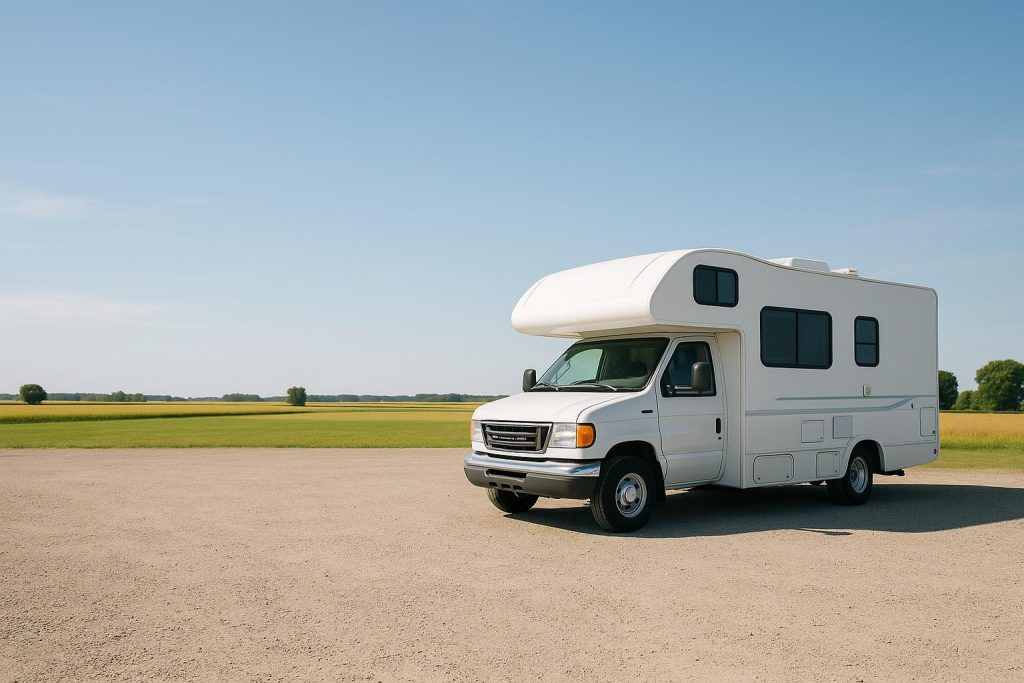
Why Storing an RV with Tires Off the Ground Matters
When it comes to storing an RV, many people wonder if they should keep the tires off the ground. After all, those hefty wheels are designed to bear your RV’s weight on the road. Yet, leaving them in one position for too long—especially in one spot—can speed up wear and tear and lead to trouble down the line. While it’s perfectly reasonable to store an RV resting on its tires for short durations, lifting it can offer peace of mind for those planning to park their rig for extended periods. This guide explains the benefits of tire-off-the-ground storage, how to decide what works best for you, and tips for a smooth experience along the way.
The Impact of Extended Storage on Tires
RV tires are built to support the load of a heavy vehicle cruising down highways, side roads, or campsites. However, sitting in one position for months at a time can create flat spots, uneven wear, or even sidewall weakening. Think of a stationary object pressing onto a soft surface for weeks; that area becomes deformed. In the same way, the round shape of the tire flattens slightly if the same patch stays in contact with the ground too long. This process can affect your tires’ lifespan and lead to a bumpier ride once you take your RV out of storage.
Another factor is how tires naturally lose pressure over time. When a tire’s PSI decreases, stress is placed on the sidewalls. If the RV is resting on partially deflated tires for an extended period, you might see damage appear sooner than you expect. By keeping the RV lifted, you can help preserve the tire’s structural integrity and guard against premature cracking or aging.
Short-Term vs. Long-Term Storage
Short-Term Storage (A Few Weeks to a Few Months)
If you’re only storing your RV for a brief period—say, during winter or between road trips—keeping the tires on the ground is generally fine. You can periodically move your RV forward or backward every few weeks to rotate the stress points on the tires. This “exercise” helps avoid flat spots. You should also check your tire pressure before storing the RV, as well as at regular intervals, to ensure they remain properly inflated.
Long-Term Storage (Several Months to a Year or More)
If you’re planning to park your RV for the long haul, lifting it off the ground can provide extra protection. By reducing the constant pressure on one area of each tire, you help prevent that dreaded flattening. Also, when the weight is lifted, your suspension gets a break too. It’s a simple way to extend the life of your tires and the performance of your RV’s chassis. Whether you’re not hitting the road for an entire season or storing for an indefinite period, taking the time to elevate your RV can save money on tire replacements down the road.
Key Benefits of Tire-Off-The-Ground Storage
- Preventing Flat Spots: By removing the steady pressure where the rubber meets the ground, you allow the tires to maintain their natural shape. This means less wobble or bouncing when you finally drive your RV again.
- Reducing Tire Aging: Tires in direct contact with the ground, especially in cold or damp environments, can degrade faster. Lifting keeps them away from moisture and prevents damage like cracking sidewalls.
- Minimizing Uneven Wear and Suspension Stress: Weight distribution matters. An RV at rest on uneven ground can stress the tires and suspension on one side more than another. Lifting ensures a more balanced load.
- Protecting Against Ground Contact: Moisture and temperature fluctuations affect the rubber’s integrity. By creating a barrier between the tires and the ground, you ward off undercarriage rust and other possible damage.
- Improving Maintenance Access: When the RV is lifted, inspecting or servicing the tires is much simpler. Whether you’re rotating tires, checking brakes, or adding wheel covers, a lifted RV makes the job a lot easier.
Drawbacks and Considerations
Storing your RV with the tires off the ground does come with a few caveats. You’ll need sturdy, high-quality jack stands or leveling blocks to safely hold the vehicle’s weight. Hydraulic jacks are handy for raising the RV, but it’s best not to rely on them alone. Additionally, if you plan to store your RV outdoors, be mindful of wind and weather conditions. Make sure everything is anchored and stable so that your RV won’t shift or tilt. Finally, if you lift your RV on uneven ground, invest the time to create a level surface or at least ensure the supports are balanced and secure. Safety first!
Best Practices for Storing an RV (Lifted or Not)
- Inflate Tires to Recommended PSI: Even if they aren’t bearing the full load, properly inflated tires retain their shape and are less prone to aging. Check your manual or tire sidewall for the recommended pressure.
- Park on Solid, Dry Ground: Moisture and soft soil can spell trouble. Gravel, pavement, or a reinforced pad is ideal. If you’re using jack stands, you want to prevent them from sinking into the ground.
- Rotate Tires If Not Lifting: If you decide not to lift your RV, move it slightly every month or two. This small routine shift will rotate the tire contact patch and help avoid flat-spotting.
- Protect Your Tires From Sunlight: UV rays can break down tire rubber. Use tire covers or shields to protect them and consider using a breathable RV cover to protect the entire vehicle from the elements.
- Check on Your RV Periodically: Whether your RV is lifted or not, you don’t want to just forget about it. Inspect for moisture buildup, ensure the stands are secure, and confirm your tires and seals remain in good condition.
Additional Tips for Long-Term Storage Success
For those in colder climates, consider winterizing your RV’s plumbing system to protect against freezing. Remove any food or perishable items that could attract pests and thoroughly clean the interior. If you’re shutting down the RV’s battery or systems, follow the steps recommended by the vehicle manufacturer to prevent battery drain or electronic issues. While this doesn’t directly affect the tires, it’s all part of a smart RV storage routine that prolongs the life of your vehicle.
You might also want to check out RV Storage services that provide ample space and a secure environment. Wheelers offers 12×40 ft gravel stalls that are wide enough even for big rigs. Whether you choose to store an RV with the tires off the ground or not, having enough room to maneuver is a huge plus. If you ever need alternative storage options for boats or trailers, you can explore dedicated pages for Boat Storage or Trailer Storage as needed.
Talking to a Professional
Not sure how to navigate jacks, blocks, or the right approach for your specific RV make and model? Speaking with a storage professional might give you the peace of mind you need. Some manufacturers also offer guidelines for long-term storage, which can be found in your owner’s manual or by contacting customer support. Every RV is unique, with variations in weight distribution, tire ratings, and draw from onboard systems. A professional can help you plan a storage setup that fits your situation, whether that means full-time off-the-ground storage or a simpler approach for short periods.
Additionally, if you’re not comfortable doing the job yourself, some repair shops or RV service centers will handle the lifting for you. They can also check your tires, bearings, and overall suspension health. This can be especially useful if your RV is older or if you’ve noticed vibrational issues on the highway. Ensuring everything is in tip-top shape before storing can help avoid nasty surprises when it’s time to hit the road again.
Frequently Asked Questions (Beyond the Basics)
- Will lifting my RV stress the frame?
As long as you support your RV at the recommended lift points using approved stands or blocks, you won’t harm the chassis. Make sure the weight is evenly spread across the RV’s main structural components. - Is it crucial to lift all four tires, or can I just lift the front or rear?
It’s generally recommended to elevate the entire vehicle if you’re aiming to relieve tire pressure. Lifting only one end might reduce stress on two tires, but you still risk flat spots on the others. - What if I don’t have a level surface?
You can use leveling blocks to create an even platform. Having a stable, balanced RV is essential for safety—especially if it’s going to stay that way for months. - How do I protect my RV while it’s stored and lifted?
In addition to tire covers, consider using an RV cover for the entire rig. Keep windows and vents shut, or install vent covers that allow airflow without letting in the elements. This helps curb moisture, mildew, and pests. - Does temperature play a big role in tire damage?
Extreme heat can speed up rubber breakdown, while frigid temperatures can harden and crack the tire surface. If you know your RV is exposed to harsh weather, checking inflation and using covers is extra important.
Exploring Storage Facilities and Services
If the idea of an off-the-ground setup feels overwhelming, you could look for a facility offering different storage options. Some places allow you to park on paved or gravel lots where shifting the rig every few months is easy. Others might have staff on-site who can keep an eye on things. No matter what, you’ll want a secure, fenced environment that offers peace of mind. For instance, a location just outside the city often boasts good access to major highways without the cramped infrastructure you might find in urban storage lots. Simple pricing models and wide lanes can also make your life easier.
At Wheelers, for example, you’ll find hassle-free storage on gravel stalls measuring 12×40 ft. This makes maneuvering a breeze for most RVs, boats, or trailers. Plus, having that extra space means there’s room to set up jack stands or leveling blocks without the risk of bumping into your neighbor’s rig. And if you need covered or enclosed space for smaller items, an Off Grid Garage Rental might provide that extra layer of protection for tools and equipment. The point is, you have options that can accommodate both short-term and long-term needs.
When Should You Consider Not Lifting?
If your storage period is minimal—like under three months—and your tires are in good shape, you might not need to lift at all. Similarly, if your budget or physical space doesn’t allow for the appropriate safety measures, or you can’t find a stable, level surface, lifting might do more harm than good if done incorrectly. Also, if your RV’s manufacturer specifically advises against lifting for any reason, always follow those guidelines. The main takeaway is that tire-off-the-ground storage is beneficial, but not mandatory in every scenario.
Steps to Safely Lift Your RV
- Gather Quality Equipment: High-rated jack stands or RV-leveling blocks are key. Don’t settle for cheap materials that could fail.
- Find a Level Surface: Gravel is okay if it’s tightly packed and relatively flat. You can place boards or thick plywood under stands to distribute weight and avoid sinking.
- Lift Methodically: Use a hydraulic jack to raise each corner or axle point in stages. Don’t rush. Raise it just enough to relieve pressure on the tires.
- Position the Stands: Once each wheel is lifted, slide your jack stand or block under a sturdy, recommended lift point. Check your owner’s manual if needed.
- Check Stability: Give the RV a gentle push. If there’s too much rocking, adjust the stands or add additional support. Safety should be your top priority.
- Cover and Protect: After lifting, place tire covers over the tires. If you’re removing the tires entirely, store them in a cool, dry place.
Final Thoughts: Tailoring Storage to Your RV
Ultimately, whether to store an RV with the tires off the ground comes down to your time frame, budget, and comfort level. It can provide real benefits for long-term storage by preventing flat spots and helping your suspension rest easy. That said, if you’re only putting your RV away for a few weeks, you might be just fine leaving it on its tires—especially if you remember to move it occasionally or maintain proper tire pressure.
When you’re weighing your choices, don’t forget to look into a reliable, no-fuss facility that offers enough space and straightforward pricing. If you decide that lifting is the right move, having a spacious stall is crucial to safely setting up jack stands or leveling blocks. You might want to explore a facility’s Services page to see what they offer and how they can meet your needs.
If you’re ever in doubt, talk to a pro or consult your owner’s manual. There’s no single rule that fits everyone, but understanding tire wear and taking steps to protect your RV are the cornerstones of hassle-free storage. Whether you choose to lift or not, focusing on safe, secure storage will help ensure that when you fire up your engine again, you’re hitting the road with confidence.