Understanding Late Vehicle Storage Payments and How to Handle Them
Missing a payment on your vehicle storage unit can be a stressful experience, especially if you’ve never had to deal with overdue fees or potential penalties before. Whether you’re parking a car, an RV, a boat, or even storing specialized equipment on a 12×40 ft gravel stall, it’s important to know what can happen if your payment goes past due. Thankfully, most storage operators understand that life happens—an unexpected bill or an emergency can cause you to fall behind. But proactive communication and a solid understanding of how late payments work will help protect your property and your finances. In this guide, we’ll explore common consequences for missing a payment, practical steps to prevent problems, and strategies you can use to bounce back if you do fall behind.
A vehicle storage lot can offer huge advantages for anyone short on room at home. It’s a convenient access point for those oversized vehicles that might violate neighborhood bylaws, or simply don’t fit in your crowded driveway. Plus, outdoorsy types who own boats or RVs need a place to store them when they’re not camping, fishing, or traveling. Whether you’re looking at RV storage for that motorhome, boat storage for your fishing vessel, or a reliable spot for your car or off-season equipment, it’s vital to keep your monthly or scheduled payments on track. Otherwise, you could face a wide range of issues that impact your ability to retrieve—or retain—your vehicle.
Below, we’ll walk step by step through the typical actions a storage facility might take if you miss a payment. We’ll also clarify how to address these concerns so you can get back on good terms quickly. While policies can vary among facilities, most share similar protocols designed to protect both the business and your property.
1. Potential Late Fees or Penalties
Almost all storage providers have terms in their rental agreements that authorize late fees after a certain grace period. These charges are sometimes modest flat-rate sums, but they can also be a daily accrual that grows larger over time. While a late fee may be frustrating, it’s a common practice intended to encourage on-time payments and cover the administrative costs of handling overdue accounts. If your regular bill is already a stretch, extra fees can quickly make an overdue balance more challenging to clear.
To avoid these additional costs, make sure you read your original contract carefully. Keep an eye out for language about a “grace period,” which might give you a window of a few days to settle your bill before late fees apply. Some facilities are flexible with late fees if you communicate promptly about your situation. Others have strict policies that automatically tack on charges once the deadline passes. In either case, paying attention to your due dates is the best way to avoid these unwelcome penalties.
2. Risk of Denied Access
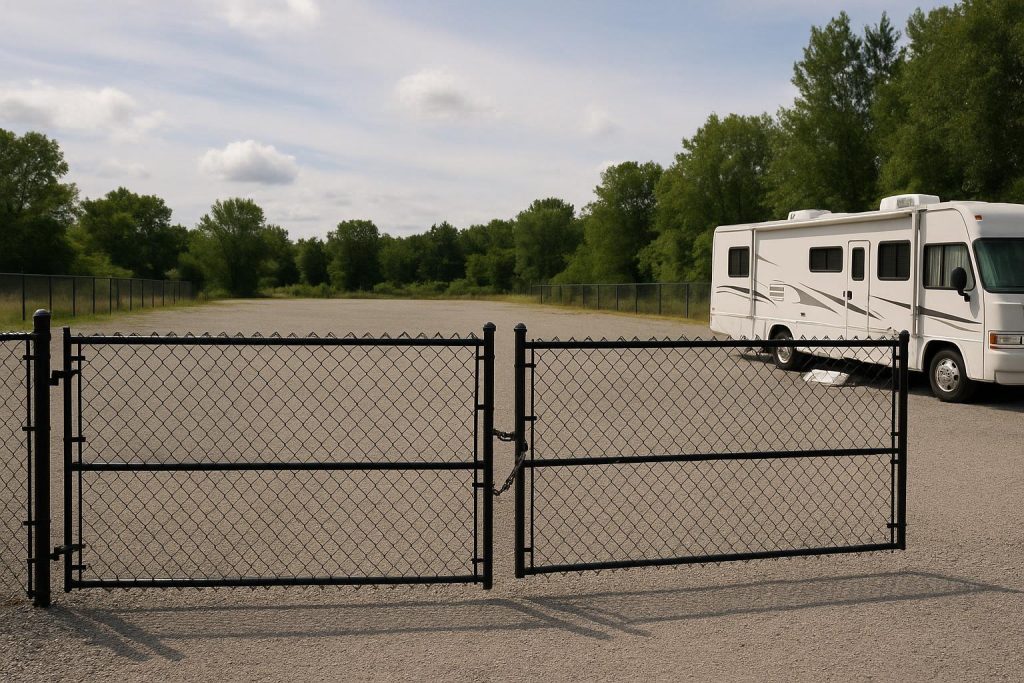
In many scenarios, the first practical consequence of missing a payment is the possibility of being locked out of the facility. Secure storage operations aim to safeguard property by using gates, fence systems, and coded entry points. When fees aren’t paid, these security features can work against you by preventing you from accessing your stall. The facility may disable your personal gate code, making it impossible to drive in or out until you address your outstanding balance. Some businesses might offer limited access to retrieve important items, but you can’t fully benefit from your space if your account remains delinquent.
Not being able to reach your own vehicle can be incredibly inconvenient—especially if you were planning a weekend road trip, or suddenly need your trailer for an urgent work project. This situation illustrates how crucial it is to budget and communicate. If you think you might miss your next payment, talk to the facility in advance. They may offer alternative payment options, arrange a short extension, or waive certain fees in extenuating circumstances. Proactive contact keeps small issues from compounding into a complete loss of access.
3. Possibility of a Lien or Auction
Vehicle storage agreements typically include clauses that allow the facility to place a lien on the stored item if rent remains unpaid for a significant period. Liens protect the property owner’s right to recoup their losses, but they can be a serious concern for you as the renter. In the worst-case scenario, unresolved debts can lead to an auction or sale of your vehicle to cover past-due costs. This is relatively rare, but it does happen if accounts are left in default for too long.
While selling someone’s vehicle might seem drastic, facilities use these clauses as a last resort. They typically must follow local regulations, providing notice and a deadline by which the occupant can settle the balance. If there’s no resolution, the facility can legally proceed to enforce the lien. Avoiding this situation is simple: don’t ignore late notices, and never let your account go past due for months without a plan. A quick phone call or email often goes a long way toward staving off dire consequences like liens or auctions.
4. Communication Is Key
One of the biggest mistakes you can make when you can’t pay on time is avoiding your storage provider. It’s understandable if you’re embarrassed or overwhelmed, but silence often leads to misunderstandings and unnecessary penalties. Let the facility staff know about any financial challenges—sometimes they’re willing to grant a short extension or modify your due date. As a paying customer, you’re essential to their business, so it’s in their best interest to work with you in good faith. Reading your contract thoroughly helps here, because it clarifies whether the company has formal procedures for dealing with late accounts and whether those policies allow for negotiation.
When you communicate respectfully and promptly, you maintain a positive relationship with the storage team. They’re more likely to help you set up a plan that fits your circumstances. Keep in mind, though, that each facility handles overdue payments differently. Some are lenient, others are strict. Either way, good communication is your first line of defense in preventing further complications and holding onto peace of mind.
5. Arranging a Payment Plan or Partial Payments
If you find yourself temporarily unable to meet the full cost of your storage bill, it may be worth asking about partial payments or payment plans. Not all providers advertise this option, but many are open to compromise if it helps ensure that you eventually pay off your balance. This is especially true if you’ve been a reliable customer in the past. By proactively requesting a plan, you demonstrate accountability and willingness to meet your obligations. This approach may reduce late fees or keep them from piling up.
Be honest about what you can afford and how long you need. Then, get the details of the payment plan in writing to eliminate confusion. Keep each payment date in a calendar or set a reminder on your phone. Missing a scheduled installment can sometimes nullify the agreement and put you right back into default status. While it can be humbling to ask for special consideration, it’s often better than letting your account drift further behind.
6. Impact on Credit and Financial Well-Being
While some storage companies don’t report late payments to credit bureaus, others reserve the right to do so after an account remains overdue for a certain length of time. This could lower your credit score, making it more difficult to secure loans, credit cards, or favorable interest rates in the future. Additionally, if the storage operator enlists a collections agency, that action might also be reported, causing further damage to your credit profile.
Your vehicle is a significant asset, and your creditworthiness is another. If your finances are already tight, a bad credit report could create even more strain. This is why it’s worthwhile to stay on top of your payments or communicate as soon as you sense trouble. A quick call is usually all it takes to prevent a minor setback from ballooning into a major financial headache.
7. Best Practices to Avoid Missed Payments
Preventing missed payments is far simpler than dealing with the fallout afterward. Below are some practical steps you can implement to keep your account current:
- Set Up Automated Payments: If your storage facility offers autopay, consider linking a reliable bank account or credit card. Automation reduces the chance of forgetting a due date.
- Use Calendar Reminders: Mark your payment date on a physical or digital calendar. You can also create phone alarms or monthly notifications to keep you in the loop.
- Budget Appropriately: Factor your storage costs into your monthly expenses just as you would your mortgage or utility bills. This ensures you have the set amount available.
- Review Contract Terms: Understand your facility’s late fee structure, grace period, and total monthly rate. Feeling certain about these details helps you plan and reduces unpleasant surprises.
These simple strategies can help you maintain hassle-free storage for the long term. And by paying on schedule, you get to enjoy uninterrupted access to your property, whether that’s your summer boat or your go-to travel trailer for camping.
8. What to Do If You Can’t Afford Payments
Sometimes unforeseen situations—like job loss, medical bills, or family emergencies—make it impossible to keep up with every expense. If this happens, consider whether you still need the storage space. Could you downsize to a smaller stall? Could you switch from a pull-through stall to a more basic spot if that’s more affordable? Depending on the type of vehicle you have, there may also be seasonal options that lower your rate during off-peak months.
Another possibility is to see if your storage provider has alternative services more suited to your current needs. For instance, if you don’t require an RV stall all year, it might be more cost-effective to transition to a Trailer Storage option or even a Car Storage plan if your vehicle size allows. Your provider might also offer special deals for longer commitments (like six-month or twelve-month contracts) at a flat-rate that’s easier to fit into your budget. Being transparent about your financial challenges can lead to flexible solutions that preserve your peace of mind.
9. Protecting Your Vehicle Throughout the Process
When your account status is up in the air, it’s natural to worry about the security of your vehicle. In general, storage facilities continue providing a secure environment for all parked units until the lease is terminated or transferred. However, if you’re behind on payments for an extended period, the risk of a lien or eventual removal of your property increases. Remember that your best defense is to stay in contact with the facility. When they know you’re trying to address the situation, they’re more likely to keep you informed before taking steps like towing or lien enforcement.
In the meantime, ensure your vehicle remains road-ready if you might need to relocate it quickly. Keep tires inflated, batteries charged, and fluids checked. If you own a boat, you should also keep it covered and drained properly, so you don’t face preventable damage once you regain full access. A little extra care now can save you from additional repair costs down the road.
10. Moving or Ending Your Storage Agreement
If your financial circumstances look grim, one logical move could be to end your contract and relocate your vehicle somewhere else—perhaps on a friend’s property, assuming local regulations allow it. Before choosing this route, review any penalties or termination requirements in your current agreement. Make sure the cost of ending your lease doesn’t outweigh the potential savings. If your storage facility is particularly lenient, it might be cheaper to stick to a partial payment or a rearranged plan than to break the contract altogether.
Don’t overlook the process of physically moving your vehicle. If it’s an oversized unit, like a big RV or a boat on a large trailer, logistics can be tricky. Make sure you have a proper tow vehicle or the right equipment to relocate safely. Waiting until the last minute can increase stress, so consider planning your move well in advance of any late payment deadlines if you decide to vacate. That way, you avoid surprise fees for overstaying your end date or missing your grace period.
11. Knowing Your Rights and Responsibilities
Every region has laws and regulations governing self-storage operations, including how facilities handle missed payments and facilitating liens. As a rentee, you have rights that protect you from certain unfair practices, but you also have responsibilities to fulfill the terms of your contract. It’s good to familiarize yourself with local regulations, especially if you fear the facility could take extreme measures to recover debt. Most places require the operator to issue formal notices and provide time for you to make good on late payments before they take possession of your vehicle. If you ever have trouble interpreting your contract or local statutes, you might want to consult a legal professional to ensure you understand all implications.
In many instances, just being responsive and cooperating with the storage provider is enough to avoid negative outcomes. Remember, they’re in the business of providing vehicle storage, not repossessing property. Approaching the situation with honesty, willingness to pay what you owe, and polite negotiation will generally yield the best result.
12. Final Thoughts on Staying Current and Stress-Free
Falling behind on storage payments can feel overwhelming, but you can navigate the process with minimal damage if you stay informed and proactive. First, understand your rental agreement thoroughly, including late fees, grace periods, and potential consequences such as denied access or liens. Second, if you sense trouble coming, reach out early. Storage providers appreciate communication, and many would rather help you find a workable plan than penalize a customer. Choosing a facility that is upfront about simple pricing and has no hidden fees can also reduce surprises. Lastly, consider how your vehicle storage fits into your monthly expenses—treat it with the same importance as any other bill to avoid complications that come from tardiness.
Whether you’re using RV Storage for a large motorhome, Boat Storage for a trailerable watercraft, or simply a standard Car Storage unit, making timely and consistent payments ensures you can enjoy uninterrupted use of your space. And if unexpected circumstances arise, remember that you have options—ranging from partial payment plans to changing your storage type—to help you stay on track and preserve your peace of mind.
By adopting these strategies, you’ll create a positive relationship with your storage facility and keep your vehicle secure during both short-term and long-term or seasonal storage periods. In the end, being punctual with your payments means you’ll always have reliable access to your property, ensuring more time for the things you love—like hitting the open road in your RV, exploring Alberta’s lakes with your boat, or simply having room to park your vehicles in a hassle-free storage environment.