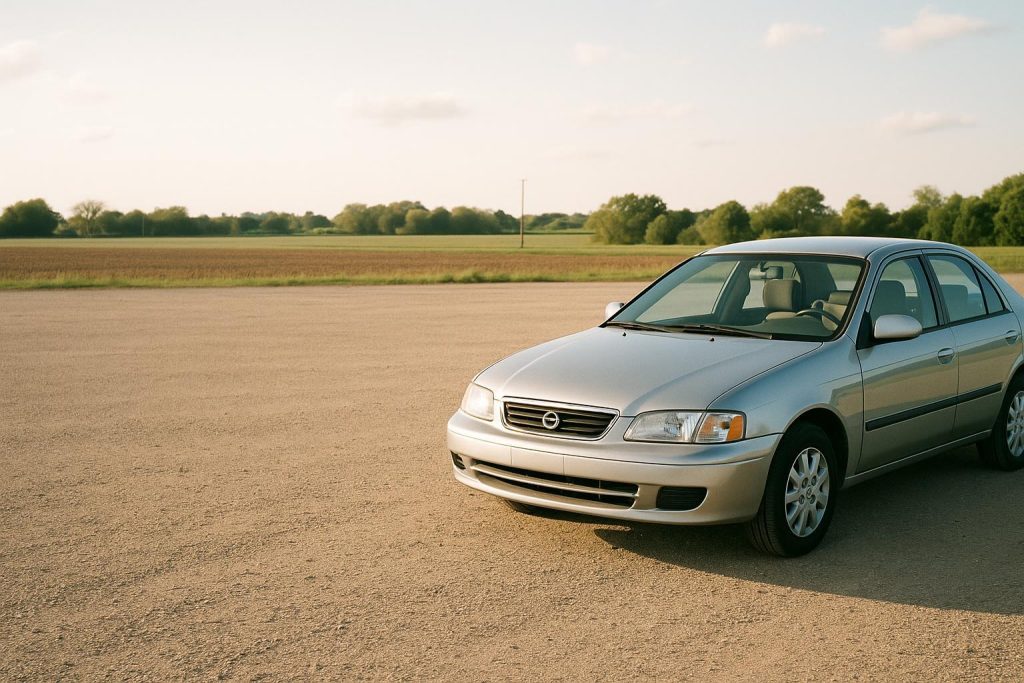
Understanding Car Damage and Coverage in Storage
When you place your car into storage—whether it’s for a few weeks, an entire season, or longer—you naturally want the peace of mind that comes from knowing it’s secure and protected. Fortunately, most reputable facilities take careful measures to help keep unforeseen damage at bay. Still, accidents can happen. Knowing what to expect, how insurance typically works, and the practical steps your storage provider should take can go a long way toward ensuring a worry-free experience. This guide will walk you through everything from immediate next steps if damage occurs to best practices for long-term, hassle-free storage.
Why Does Damage Sometimes Occur?
Even in secure storage lots, unexpected scenarios can arise. Sometimes it’s a stray piece of debris during a windstorm, minor contact from a neighboring vehicle, or a hidden mechanical issue that goes unnoticed until you’re ready to drive again. While these events are uncommon, it’s helpful to understand that no outdoor storage location is completely immune to the realities of weather, human error, or the normal wear and tear that occurs over time.
At Wheelers, for example, we emphasize secure storage with 12×40 ft gravel stalls. Our wide lanes and pull-through stall options (when available) minimize the risk of accidental bumps. We also have high perimeter fencing and a gated entry to bolster security. Nonetheless, prevention and preparation are key to avoiding or mitigating damage.
Initial Steps If Your Car Is Damaged
Should you discover that your car has been damaged while in storage, it’s essential to act promptly but calmly. First, document the damage with photographs or a video clip. This evidence can prove invaluable for insurance claims and any subsequent discussions with the storage facility. Check the extent of the issue—sometimes damage is superficial, like minor scratches, while in other cases it could be more substantial, such as a dented fender or a damaged bumper.
Next, contact the facility staff to report the situation. A trustworthy storage provider will have a set protocol for addressing such concerns. They’ll likely inspect the damage, review entry and exit logs or security footage (if applicable), and assist you in determining the possible cause. Communication is crucial. The sooner you let them know your concerns, the simpler it is to begin any claims or remediation process.
How Storage Providers Typically Handle Damage Incidents
An ethical, customer-oriented facility will want to resolve any incidents in a transparent, fair way. While storage providers typically maintain liability insurance, keep in mind this coverage often extends only to specific situations—for example, damage resulting from negligence by the facility. Each business’s policy wording and triggers can differ significantly. That’s why many storage contracts include disclaimers or guidelines about what the provider is responsible for covering.
In many cases, your own auto insurance policy is the main source of coverage. Comprehensive auto insurance can help pay to repair car damage that occurs due to vandalism, theft, fire, certain weather events, or collisions—even if those collisions take place while your car is stored. If your coverage includes these incidents and you can prove the damage occurred at the facility, working with your insurer is usually the recommended approach.
Reviewing the Storage Agreement
Before leaving your car in any storage lot, always read through the storage agreement. While it might seem time-consuming, those few pages of text likely spell out damage liability, insurance requirements, and the specifics of your responsibility for storing the vehicle. In most contracts, you’ll be encouraged—or even required—to maintain comprehensive coverage on your vehicle while it’s in storage. Even if not strictly required, this extra coverage can be a lifesaver should something unexpected happen.
At facilities that emphasize transparency and simplicity—like ours at Wheelers—you’ll find a straightforward explanation of damage policies. We favor a flat-rate, no-hidden-fees approach, which also extends to being clear about any potential risks or liabilities while your vehicle is parked on our 12×40 ft gravel stalls.
Documenting Vehicle Condition Upon Arrival
One of the simplest yet most effective ways to protect yourself is to document your car’s condition thoroughly before you hand over the keys or settle it into its space. Take multiple photos from a variety of angles, capturing the exterior paint, wheels, interior, and any pre-existing dents or scratches. This ensures you have a clear baseline in case a claim needs to be made later.
You can also consider asking a staff member at the facility to walk around the vehicle with you. Some storage businesses will do a quick condition report as part of their intake process, which helps reduce confusion about when and where damage might have occurred. Between your documentation and the facility’s protocol, you have more evidence if you ever need to file an insurance claim.
How Your Insurance Typically Comes Into Play
If you store your car for long periods of time, you might not always think about keeping up with insurance. However, maintaining a solid policy during storage is invaluable. Comprehensive coverage is designed to address non-collision-related damage like theft, fire, vandalism, or storm damage—common worries for those who leave their vehicles in an outdoor lot for months at a time.
In many instances, your first call (after alerting the storage facility staff) should be to your insurance company. They can guide you through the claims process, explain what your policy will cover, and advise whether or not to pursue coverage under your facility’s insurance. Some policies also have deductibles that might be lower or higher depending on how you characterize the damage, so staying informed is essential.
Best Practices for Preventing Car Damage
Although a reputable storage business will have its own security measures and preventative protocols, there are a few steps you can take on your own for added protection. Below are some best practices:
- Park carefully: If you can, choose a storage spot with generous space. Wide spacing reduces the risk of door dings or accidental side-swipes. Wheelers, for example, offers 12×40 ft gravel stalls so you don’t have to squeeze your vehicle into a tight space.
- Cover your car with a breathable cover: A car cover shields your paint from dirt and weather while allowing moisture to escape, reducing the risk of mildew or corrosion. Avoid covers that trap water, as that can cause paint damage over time.
- Keep fluids and tires in check: Top off engine fluids and ensure your tires are at the recommended pressure to avoid soft spots or valve damage. Consider placing your car on jack stands if storing for an extended period, eliminating stress on the tires altogether.
- Remove items of value: Not only does this mitigate temptation for thieves, but it’s also good practice to clear out anything that might shift around and cause interior damage.
- Inspect the battery or use a trickle charger: Simply disconnecting the battery is one option, but if you’re storing your car for months, a battery tender or trickle charger can prevent the battery from draining while keeping it healthy.
Taking these preventative measures can help you avoid many headaches later on. A car free of hazardous leaks, heavy dust, or discharged batteries is much less likely to run into complications once you’re ready to retrieve it for a drive.
How We Handle Car Storage at Our Facility
At Wheelers RV & Boat Storage, we don’t just store boats and RVs. We also provide car storage for those who need a safe place to park for the longer term or simply a few off-season months. Our wide, well-marked lanes assist in preventing accidental scrapes and dings. Meanwhile, our gated entry and thoughtful layout promote a secure and hassle-free storage environment. We also remain big believers in simple pricing—so there are no surprise fees when you bring your car in or take it out.
What If the Damage Was Caused by Another Renter?
In rare situations, the damage might result from contact with another vehicle stored nearby. If that occurs, your first step—after taking photos and notifying facility staff—is to see if the other renter can be identified. Often, the storage provider’s records or any available security videos may help piece together what happened. The responsible party’s auto insurance could potentially cover the cost of repairs. Once again, check your own coverage to see whether filing a claim is more efficient.
Long-Term vs. Seasonal Considerations
Storing a vehicle long term is different from storing it for just a month or two. With seasonal storage, you’re typically concerned about short-term temperature swings, daily dust accumulation, or sporadic hailstorms. Longer-term storage brings additional concerns: you may not see your car for many weeks or months. This means you won’t discover certain issues—like slow leaks, rotting tires, or rodent damage—until it’s time to drive again.
If you plan on long-term or seasonal storage, it’s best to carefully winterize (in colder climates) or prep the car for the conditions of your region. Alberta’s winters are famous for extreme cold, so protecting your battery, tires, and any sensitive liquids becomes especially important. Frequent checkups, or asking someone you trust to look in on the vehicle, can go a long way toward preventing damage.
Staying Proactive About Maintenance
“Out of sight” should not mean “out of mind.” Regularly scheduled maintenance, even during storage, can reduce the risk of mechanical problems that might later appear as “unexplained damage.” For instance, your car’s engine fluids can degrade over months of sitting, especially in harsh temperature swings. Keeping up with fluid checks and ensuring the under-hood area is free from dirt or debris can save you from bigger headaches—and potential damage—down the road.
Here are a few maintenance tips to consider during storage:
- Start the engine periodically (if facility rules allow it) to keep it from seizing.
- Rotate the tires or move the vehicle slightly to prevent tire flat-spotting.
- Clean off any buildup of dust or organic matter, which can damage your paint job over time.
- Keep the interior as dry as possible to avoid mold or mildew, especially if it’s a long-term arrangement.
When to Contact Your Insurance or the Facility Manager
In an ideal scenario, your storage experience is smooth, your car remains in great shape, and you can simply drive away happily at the end of the period. If you do encounter damage, the rule of thumb is to let both your insurer and the facility staff know sooner rather than later. Delaying could create gray areas about where, when, and how the damage occurred. The storage provider may be less able to assist if they can’t verify a specific timeframe. Meanwhile, your insurance company might have deadlines for filing or investigating a claim.
Questions About Liability Insurance
Not every storage facility has the same coverage amounts or liability disclaimers. Some have robust coverage, others rely more heavily on each owner’s personal insurance. Before you sign, don’t hesitate to ask questions:
- “Is your facility insured for negligent actions or damages?”
- “What is and isn’t covered under your policy?”
- “Do I need extra insurance or a specific storage rider on my auto policy?”
- “Is there a claims process or particular documentation I must complete?”
Clear answers can give you confidence about how both expected and unforeseen events are handled. If you plan to store your car for an entire season or maybe year-round, knowledge is your best ally for preventing financial surprises later on.
When You Want Extra Protection
While uncovered, outdoor car storage is often the most cost-effective option, some vehicle owners prefer enclosed solutions if they want an added layer of security. Facilities like Wheelers also offer off-grid garage rental options for those who need extra protection from the elements. These enclosed units help safeguard your car from hail, high winds, and prying eyes. However, do note that even in enclosed units, maintaining comprehensive auto insurance is recommended for a well-rounded approach to safety.
Ensuring a Positive, Worry-Free Experience
A few proactive steps can go a long way in helping you avoid damage—or addressing it quickly if it occurs:
- Choose a reliable facility: Look for a place that’s transparent about its damage and security policies—one with gated entry, wide stalls, and a clear record of good customer service.
- Maintain active insurance coverage: Comprehensive coverage can save you from large bills if an incident occurs. Double-check your policy terms before dropping your car off.
- Document carefully: Take photos before you store and again when you pick up the vehicle. Keep a record of any communications with the facility about the condition of your car.
- Inspect regularly: If circumstances permit, visit occasionally and give your vehicle a once-over to catch potential issues early.
- Ask questions: If anything is unclear—whether about the facility’s coverage, your own policy, or the steps involved in making a claim—don’t hesitate to seek clarification.
How to Contact Us with Questions
If you’re uncertain about how damage coverage works or you’d like more information about storing a car at our location, you can email us at wheelersrv@gmail.com or call (587) 900-0579. Our team members are happy to provide helpful guidance on selecting the right stall size, prepping your vehicle, and understanding the fine print. We want every customer to feel confident, informed, and secure from the moment they drop their car off until it’s time to pick it up again.
In sum, while no facility can promise to eliminate every risk, you can significantly lower the odds of encountering damage by choosing a spacious, secure lot and taking the right preventative steps. And if the unexpected does happen, your insurance coverage combined with the facility’s clear and transparent approach can help ensure a fair and efficient solution. Storing your car at a reliable, spacious, and well-run location sets the stage for a smooth experience—so you can focus on enjoying your wheels when you need them.