Understanding Typical Outdoor Vehicle Storage Access Hours
When you’re researching outdoor vehicle storage, one question that often comes up is the facility’s hours of access. Different facilities can vary widely, which can influence how often you’ll be able to retrieve or check on your car, RV, boat, or trailer. Some facilities might advertise 24-hour access, while others maintain a set schedule to balance customer convenience with security. In this guide, we’ll discuss the most common access hours for outdoor vehicle storage facilities, the reasons behind their schedules, and how to choose a location that provides the right balance of flexibility, security, and peace of mind.
Why Facility Hours Matter
Think about how often you’ll need to pick up or drop off your vehicle. Perhaps you’re preparing for a family camping trip and need your RV early on a Friday morning. Or maybe you work irregular hours and want the freedom to grab your boat late in the evening. In any case, knowing your facility’s schedule in advance can make or break how convenient your entire storage experience will be. Access hours also play into security measures, staffing, and overall operational costs. The more you understand about why certain facilities have the hours they do, the easier it will be to find one that suits you.
Typical Hours of Access
It’s quite common for many outdoor vehicle storage facilities to offer extended hours—from early morning to late evening. While some may open around 7:00 a.m. and close by 7:00 p.m., others might stay open as late as 10:00 p.m. A few even provide 24-hour access, but that’s more frequent with indoor or high-security facilities. Factors that impact operating hours include local regulations, staff availability, and the level of supervision that owners want to maintain onsite.
Along with providing a wide time window, many storage companies also give their tenants access on weekends. This works well for people who have a 9-to-5 job during the week or who need to retrieve their vehicles when they finally have some free time. Weekend access hours can vary just as widely as weekday hours, so it’s always wise to confirm the exact window with the facility you choose.
Wheelers RV & Boat Storage: 8:00 a.m. to 8:00 p.m., Seven Days a Week
Some facilities stand out by offering consistent hours every day. Wheelers RV & Boat Storage is one example: the facility is open from 8:00 a.m. to 8:00 p.m., seven days a week. This schedule aims to cover a broad range of schedules, ensuring that most people can stop by before or after typical work hours. Knowing you can check on your vehicle any day of the week helps streamline your weekend getaways and mid-week errands.
There’s a practical reason for these hours, too. By having a set window, Wheelers can maintain a secure environment without compromising convenience. Facility staff and security systems are in place to monitor incoming and outgoing traffic, which helps reduce the risk of theft or vandalism.
Balancing Convenience and Security
Outdoor vehicle storage owners often face the challenge of striking the right balance between making the property accessible and keeping it secure. The decision to allow 24/7 access isn’t always an easy one. While round-the-clock entry might sound appealing, it can also mean less supervision or higher costs to monitor the lot. Many customers appreciate a stable set of open hours, since it lowers the chance of unauthorized entry at odd times of the night.
In a typical community-focused setting, environment and local bylaws can also influence when customers are allowed onsite. Many towns and cities have noise ordinances, and if you live near a residential area, extremely early or very late arrivals could lead to complaints. So, a set schedule is often the easiest way to ensure a smooth relationship with neighbors. It also provides peace of mind for those storing high-value vehicles: restricted access times mean staff can better watch who enters and leaves.
Factors Affecting Storage Facility Operating Hours
- Location and Neighborhood: Facilities near residential neighborhoods may face stricter local regulations regarding noise and traffic flow. This often leads to more limited hours.
- Staffing: If a facility is bigger or emphasizes higher security, it might require staff onsite to monitor visitors and maintain the grounds during open hours. That drives decisions about open or closed periods.
- Security Measures: Facilities that invest heavily in cameras, lighting, and fencing might adopt specific hours to ensure these systems are functioning under adequate supervision.
- Cost Management: If you’re paying employees to be onsite round the clock, that translates into higher fees. Many owners choose typical business hours to keep costs more manageable.
- Customer Needs: Facilities that serve working professionals, campers, or boaters with flexible schedules might extend hours on key days—like Fridays, Saturdays, or before major holidays—to accommodate travel plans.
Outdoor Vehicle Storage at Wheelers: More Than Just Hours
Here’s how Wheelers RV & Boat Storage sets itself apart beyond the consistent schedule:
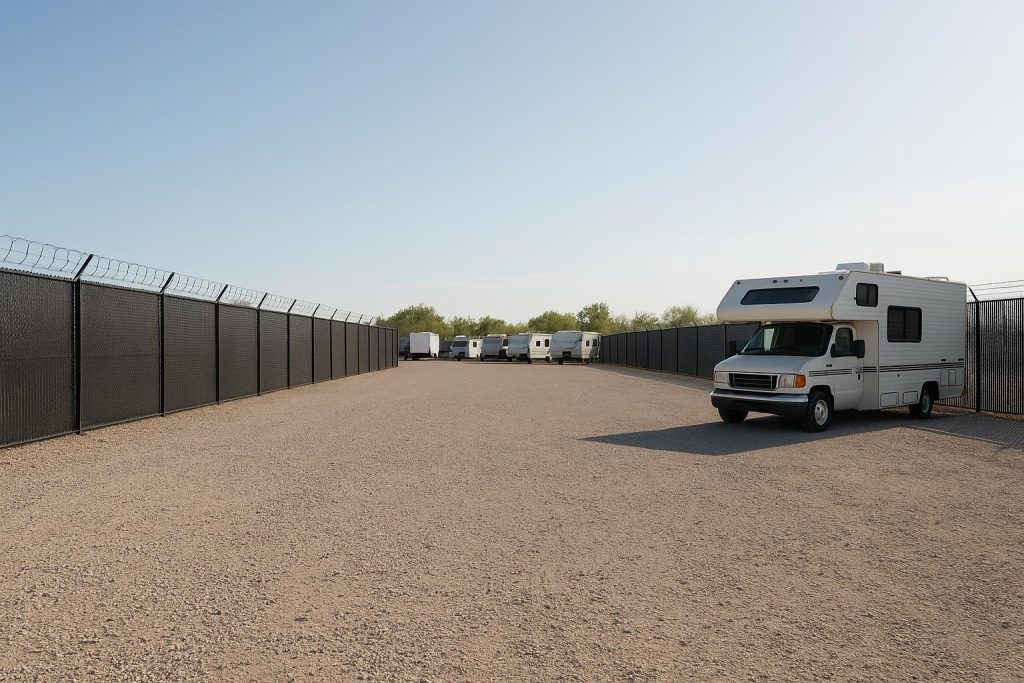
- Spacious Stalls: Each gravel stall measures 12 feet wide by 40 feet long, so there’s plenty of room to park and maneuver. Whether you’re storing a compact car, a full-size RV, or a boat on a trailer, you won’t be squeezed into a tight spot.
- Hassle-Free Storage: There are no hidden fees and no complex contracts. You can select either a 6- or 12-month flat-rate plan, which makes budgeting straightforward.
- Secure Storage: The facility is fully fenced and gated, ensuring that vehicles remain out of reach for unauthorized visitors. These security measures add extra reassurance if you need long-term or seasonal vehicle storage.
- Pull-Through Stalls (When Available): If you have a large rig or a travel trailer, backing in can be a challenge. Pull-through stalls, offered when space permits, simplify life by allowing you to enter and exit with less hassle.
- Just Outside the City: Wheelers is located near St. Albert and north of Edmonton, so you’ll cut down on city traffic when you’re ready to pick up your RV, boat, or trailer and hit the road. If you want a convenient getaway, a location like this can save you time and stress.
If you’re specifically looking for car storage or other types of spacious outdoor vehicle storage, the facility’s hours will make a difference in your day-to-day routine. Being able to arrive as early as 8:00 a.m. means you can catch the morning light for a weekend road trip. Closing at 8:00 p.m. still gives you a decent window to bring back your RV or boat without rushing.
What to Ask Before Choosing Your Storage Facility
While hours of operation are a crucial point, they’re only one of several questions you should ask a prospective storage location. Below are some important considerations:
- Security Features: Check if the facility is fenced, gated, and well-lit. Familiarize yourself with any surveillance cameras.
- Payment Structure: Ask about pricing options, like monthly plans, 6-month rates, or 12-month contracts. Transparent, simple pricing is always a plus.
- Stall Size and Dimensions: Make sure you understand the size of the stalls offered. A 12×40 ft gravel stall, for instance, can accommodate many of the biggest towable items with ease.
- Location: See if the property is near your neighborhood or on the way to your favorite routes for traveling or boating.
- Additional Amenities: If you anticipate needing to do maintenance or any quick inspections, see if the facility provides space for that or has on-site staff who can help.
When Extended Hours or 24/7 Access Might Be Useful
Although many people find that a broad window of 8:00 a.m. to 8:00 p.m. suits their routine, you may be in a situation where extended hours are essential. For instance, if you use your vehicle for shift work, or if your travels commonly start well before dawn, having 24/7 entry can simplify your life. In that case, confirm that the facility’s nighttime security is robust. Many 24-hour sites will either have remote cameras or staff checking in at intervals. Keep in mind that the added cost of around-the-clock access sometimes gets passed on to customers. Decide for yourself if that trade-off is justified based on how frequently you anticipate those late-night or early-morning visits.
Preparing for Seasonal Storage
In places like Alberta, with long winters and short summers, many people only use their RVs or boats between spring and fall. When the cold weather rolls in, they want somewhere safe to keep their equipment until the warm weather returns. If seasonal storage is your main concern, pay special attention to the facility’s fall and spring hours. If you want to winterize your RV or boat before the first freeze, you’ll likely be dropping by in late fall. Likewise, if you’re de-winterizing in early spring, you’ll want a place that opens early enough in the year to accommodate that schedule.
Storing Different Types of Vehicles
Not all outdoor vehicle storage is the same. A lot that can handle a small ATV or couple of jet skis might not be equipped for a 40-foot fifth wheel. One facility might allow RV storage with wide lanes, while another is more oriented toward smaller vehicles. If you own a boat, look for a facility like boat storage spaces that let you hitch and unhitch without tight turns. For people who need something bigger, like semi truck storage, the driveway width and total turning radius matter. Access hours can also factor in if you’re a long-haul driver who needs to come by at unusual times but still within the open window. Facilities designed to accommodate large or specialized vehicles often keep their hours flexible to cater to those owners.
Tips for a Smooth Storage Experience
- Visit During Open Hours: If possible, tour the facility during the times you’re most likely to drop in with your vehicle. This gives you an idea of traffic flow and overall vibe.
- Keep Paperwork Handy: Ask the facility’s staff if they require proof of insurance, registration, or other documents. Having these ready speeds up the sign-in process.
- Coordinate Your Arrival and Departure: If you have a large rig, it helps to arrive during off-peak times so you don’t have to maneuver around other visitors. This is easier when you have consistent, daily access hours.
- Make a Seasonal Checklist: If you’re storing your RV or boat for the winter, create a short list of tasks. This might include winterizing plumbing, checking tire pressure, and covering any exposed areas that might be subject to freezing temperatures.
Advantages of a Consistent Daily Schedule
Having a predictable seven-day schedule simplifies planning year-round. Whether you’re retrieving your boat in the summer or dropping off your snowmobile trailer in the winter, you always know the facility will be open from 8:00 a.m. until 8:00 p.m. This consistency helps when you want to avoid bottlenecks. For example, show up in early morning hours if you want to avoid a line at the front gate. Conversely, if you need to swing by in the evening after work, you still have time to get everything settled before the day ends.
Long-Term, Seasonal, and Short-Term Storage Options
Outdoor storage isn’t just for people who own towing trailers or massive RVs. Car owners, small business owners, and avid hobbyists can all benefit from a space that’s not only roomy but also available during hours that fit their daily lives. If you need trailer storage or a spot to keep your ATV locked up between rides, it’s worth asking about short-term versus long-term contract terms. It’s also helpful to inquire about seasonal promotions or deals if you only need the space in the off-season.
Many folks who store vehicles for more than a few months appreciate stable hours. They can plan maintenance, battery checks, or tire inspections without worrying about special appointment times. If you store a vehicle for work, like a cargo trailer, having reliable hours helps you grab or return it whenever your business day ends.
How to Decide on the Right Storage for You
- Identify Your Schedule: Write down the hours you’re most likely to visit. Do you see yourself coming by early on weekday mornings, or are weekend evenings more your style?
- Check the Facility’s Security and Layout: After hours don’t matter if you’re not comfortable with the security measures. Also consider the stall or lot layout. Wide lanes make everything easier.
- Consider Seasonal Fluctuations: Extra traffic and potential wait times might occur in spring when everyone wants to get their RV or boat out of storage.
- Budget Appropriately: Higher security or extended hours could come with extra costs. Decide if it’s worth it to pay more for the convenience of flexible access.
Key Takeaways
Most outdoor vehicle storage facilities offer hours that accommodate a range of schedules. If you’re looking for consistency and ease, a property that opens around 8:00 a.m. and closes around 8:00 p.m. every day can be ideal. When evaluating any storage option, always think beyond the hours. Make sure you’ll get simple pricing, secure storage, and a stall large enough for your specific vehicle. For many people, a straightforward policy about when you can get in and out is what seals the deal. After all, the more predictable your storage arrangement, the more you can focus on enjoying your RV, boat, or other vehicles when it matters most.
If you’re interested in steady hours, spacious stalls, and a no-fuss approach, Wheelers RV & Boat Storage may just fit the bill. With access from 8:00 a.m. to 8:00 p.m. daily, secure fencing, and flat-rate plans, you’ll get a safe place to stash your travel trailer, ATV, or fishing boat. Ultimately, the best storage solution is one that aligns with your lifestyle, schedule, and sense of security. Finding a provider that strikes that perfect balance makes all the difference—especially when you have a busy life and a vehicle that’s ready for the next adventure.