Exploring the Safest RV Options for a Confident Journey
When it comes to recreational vehicles (RVs), safety is a top priority for both new and experienced travelers. Many factors contribute to the overall safety of an RV, from the type of vehicle you choose to how well you maintain and operate it. Although Class B camper vans often rank high on the list for manageability and ease of use, other motorhomes and towable rigs can also score well with the right safety equipment and attentive driving habits. In this comprehensive guide, we will explore various RV classes, examine the features that make certain models safer, and share valuable tips to ensure worry-free journeys on the open road.
1. Understanding the Different Classes of RVs
Before focusing on safety features, it helps to understand the broad categories of RVs. Each class comes with distinct pros, cons, and typical safety concerns. Below is a breakdown of the main RV classes:
- Class A Motorhomes: These are the largest drivable RVs, often built on heavy-duty bus or commercial truck chassis. Class A rigs can offer luxurious amenities, but they can be intimidating to operate for beginners due to their size and weight.
- Class B Camper Vans: Built on van chassis, these smaller RVs closely resemble everyday vehicles. Their compact footprint makes them easier to maneuver, park, and store. They are less susceptible to wind gusts than taller vehicles, which is a valuable safety advantage.
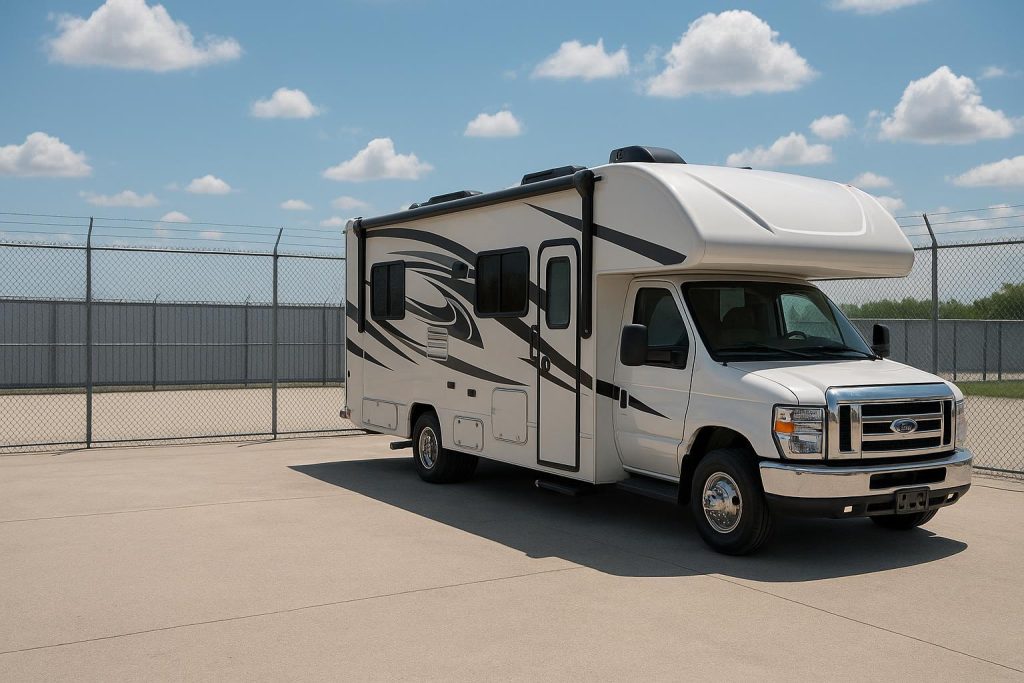
- Class C Motorhomes: Similar in structure to Class A but generally smaller, Class C RVs have a distinctive over-cab sleeping area. They strike a middle ground between spaciousness and manageability, thanks to more compact designs than most Class As.
- Fifth Wheels and Travel Trailers: These towable RVs connect to a dedicated truck hitch or ball hitch. Safety depends heavily on the tow vehicle’s capabilities, hitch setup, and driver experience. Proper load distribution and towing safety features are crucial.
With such a variety of RV types, determining the “safest” option boils down to selecting a rig you feel confident operating and maintaining. If you are comfortable behind the wheel of a van, for instance, you may be naturally drawn to a Class B. Meanwhile, an experienced truck owner familiar with towing might prefer a fifth wheel for its stability on the road.
2. Why Class B Camper Vans Are Often Considered the Safest
Class B vehicles have carved out a reputation for being among the safest for several reasons:
- Smaller Dimensions: Their compact size allows for easier maneuvering on tight roads, busy highways, and in crowded parking lots. This is especially reassuring for drivers more accustomed to standard passenger vehicles.
- Less Wind Resistance: Because of their lower profile, camper vans are less likely to catch crosswinds or be affected by high-wind conditions common in open plains or mountainous areas. Reduced sway improves handling and driver confidence.
- Automotive Construction: Camper vans are built on sturdy van platforms with standard automotive safety features, such as airbags, crumple zones, and anti-lock braking systems.
While Class B camper vans may have certain inherent benefits, they aren’t the only path to a safe RV experience. Tools like rear-view cameras, stability controls, and other more advanced features can help bring larger RVs up to a similar level of comfort and peace of mind.
3. Essential Safety Features to Look For
Whether you prefer a camper van, a fifth wheel, or a larger motorhome, certain safety features can significantly reduce risks on the road. Below are key elements to look for when selecting or upgrading an RV:
- Rear or Side-View Cameras: These cameras help you see blind spots and obstacles during parking or highway lane changes. The improved visibility is invaluable, especially when maneuvering in crowded areas.
- Electronic Stability Control (ESC): ESC systems automatically adjust engine power and brake force to individual wheels to maintain stability. This is particularly useful in slippery conditions or when recovering from sudden swerves.
- Anti-Lock Brakes (ABS): Ensuring the RV’s brake system includes ABS helps prevent wheel lock-up during panic stops, improving steering response during emergency braking.
- Tire Pressure Monitoring Systems (TPMS): A TPMS provides real-time information about tire inflation, alerting you to dangerous slow leaks or rapid deflation that might otherwise go unnoticed until a blowout occurs.
- Advanced Airbags: Newer Class B and Class C motorhomes may include additional airbags to protect occupants in side-impact collisions or rollovers, adding another layer of defense.
- Proper Towing Hitch and Brake Controller (for Trailers and Fifth Wheels): If you’re towing, ensure you have the correct hitch setup with weight distribution bars and a reliable brake controller. These features help your trailer stay stable and reduce sway.
4. The Role of Maintenance in RV Safety
Another defining factor in determining how safe an RV can be is its condition. Even the most advanced safety features won’t help if your vehicle is poorly maintained. Here are some vital maintenance tasks every RV owner should prioritize:
- Regular Tire Inspections: Keep an eye on your tires’ tread depth, inflate them to the correct pressure, and replace them in a timely manner. Tire blowouts remain one of the most common problems when driving large vehicles.
- Brake System Checks: Inefficient brakes can lead to delayed stopping times and accidents. Schedule professional brake inspections and replace brake pads, rotors, or lines as recommended.
- Fluids and Filters: Ensure oil, coolant, brake fluid, and transmission fluid are topped up and clean. Neglecting these can lead to engine stress, overheating, or gearbox failure, putting you at risk on the road.
- Roof and Seal Inspections: Water damage can compromise a vehicle’s structural integrity. Check seals, seams, and the roof’s general condition regularly to prevent leaks and mold.
- Propane and Electrical Systems: If your RV uses propane for cooking or heating, have it tested for leaks. Keep electrical systems, including batteries and wiring, in good working order to prevent fires or malfunctions.
5. Driver Education and Practical Safety Measures
No matter how robustly equipped your RV is, safe operation hinges on the driver’s knowledge and responsibilities. Here are several practical measures to keep in mind:
- Take a Driving Course: Especially if you’re new to larger vehicles, a specialty RV driving course can teach you how to navigate corners, park, handle tight lanes, and judge braking distances properly.
- Observe Weight Limits: Each RV or travel trailer has a Gross Vehicle Weight Rating (GVWR). Exceeding this rating can make the vehicle harder to handle and increase stress on the chassis and tires.
- Brake Early and Adjust Speeds: Motorhomes and trailers require more distance to stop than passenger cars. Anticipate traffic changes and brake sooner. Reduce speed on steep downhill roads to avoid brake overheating.
- Avoid Distracted Driving: Keep your attention on the road. Avoid texting, fumbling with electronics, or eating while driving. Set your GPS or music in advance or let a co-pilot manage them.
- Plan Routes Carefully: Research roads, mountain passes, and potential hazards. Knowing about steep declines, narrow lanes, or extreme weather ahead of time helps you prepare and avoid riskier routes.
6. Tips for Staying Safe in Challenging Weather
Weather can surprise you on the road, especially in regions that see high winds, heavy rain, or snow. Here’s how to reduce weather-related risks:
- Watch Wind Advisories: Keep an eye on local wind advisories if you’re planning long stretches on open highways. High crosswinds can sway taller rigs, but even smaller vehicles should proceed cautiously.
- Exercise Caution in the Rain: Maintain extra distance between you and the vehicle ahead, and drive at slower speeds. Wet roads can reduce traction, and heavy rainfall can affect visibility.
- Prepare for Winter Conditions: Use proper tires if you’re driving in snowy or icy regions. Keep chains or traction devices on hand, and make sure your RV’s heating systems and insulation are capable of handling the cold.
- Park and Wait It Out: Sometimes the safest option is not to drive at all. If conditions become extreme, find a secure spot and wait until the weather improves.
7. Emergency Preparedness on the Road
Even the best-maintained RV can encounter emergency situations. Preparing for potential issues is part of staying safe:
- Carry an Emergency Kit: Include items like a first-aid kit, flashlight, portable phone charger, basic tools, reflective triangles, and road flares.
- Know Your RV’s Manual: Familiarize yourself with your specific model’s emergency procedures, such as how to disconnect gas lines or switch off power.
- Create an Evacuation Plan: If you need to exit quickly, rehearse where everyone will meet and how you’ll handle children or pets. Make sure fire extinguishers are accessible and that you know how to use them.
- Have Roadside Assistance: Consider a roadside assistance plan specific to RVs. Traditional auto plans might not cover larger vehicles or specialized towing services.
8. Storing Your RV Safely Between Trips
Once the road trip season winds down or you experience a break in your travel schedule, proper storage plays a major role in preserving your RV’s condition. Many accidents or damage issues occur when the vehicle is left unattended over long stretches. Here are some storage tips:
- Choose a Secure, Spacious Facility: Pick a location that offers adequate room to maneuver, so you don’t risk dents or scrapes while parking or retrieving your rig. Look for fully fenced areas and gated access for an added layer of confidence.
- Protect Tires and Exterior: Use tire covers to shield them from UV damage. If your RV is sitting for long periods, move the vehicle slightly every few weeks to prevent flat spots.
- Maintain Battery Health: You can remove batteries and store them somewhere temperate, or ensure they remain on a trickle charger. This prevents discharge that could complicate starting up again.
- Cover or Ventilate: If you don’t have an enclosed space, a weather-resistant cover can help protect the exterior from debris, wind, and sun. Keep windows cracked slightly for airflow to reduce interior moisture.
If you need a trusted place for RV storage, look for facilities that prioritize safety and simple pricing. Engaging a location where you have plenty of room to park and turn around helps minimize stress whenever you’re ready to hit the road again. Along with security considerations, you’ll benefit from the convenience of hassle-free storage that fits your travel schedule.
9. Balancing Features, Maintenance, and Driver Confidence
No single RV build can guarantee absolute safety. Rather, safety is a combination of mindful vehicle selection, regular maintenance, smart planning, and careful driving strategies. With all the options available—from compact Class B camper vans to full-sized Class As—finding an RV that aligns with your experience level and comfort zone is the best way to start. Then, layer in consistent maintenance, invest in helpful technology like stability control, and continue to expand your driving skills through practice and education.
Finally, never underestimate the importance of feeling at ease behind the wheel. Confidence and familiarity go a long way toward preventing accidents. Whether you opt for a smaller camper van with an easier learning curve or a larger motorhome that offers more interior space, you’ll stay safer if you fully understand your vehicle’s capabilities and limits.
10. Final Thoughts on Choosing a Safe RV
When deciding which RV to purchase or rent, consider how various models handle on the road, the safety add-ons you might invest in, and the time you have to dedicate to ongoing upkeep. Class B RVs are praised by many for their compact design and approachable handling, but any rig can be good on safety if you set it up correctly and drive responsibly. No matter your preference, stay vigilant about preventative care, keep tires in good shape, and be proactive in checking your systems to mitigate common risks.
RVing opens up a world of adventure, giving you a home on wheels to explore new places at your leisure. By selecting a rig that suits your driving comfort, outfitting it with essential safety features, and staying on top of maintenance duties, you can maximize both fun and security along every mile. From well-maintained Class B camper vans to stable fifth wheels, the safest type of RV ultimately comes down to the choices you make before and during each journey.