Essential Security Measures for Outdoor RV Storage
When safeguarding your RV in an outdoor storage facility, security should be near the top of the checklist. After all, your recreational vehicle is not just a purchase—it’s your gateway to adventure, family getaways, and memorable road trips. By entrusting it to an outdoor storage provider, you want the peace of mind that comes from knowing your RV is in capable hands. Below, we’ll discuss the most important security measures to look for in an outdoor RV storage facility, along with tips on how to protect your vehicle while it’s tucked away.
1. Secured Perimeter Fencing
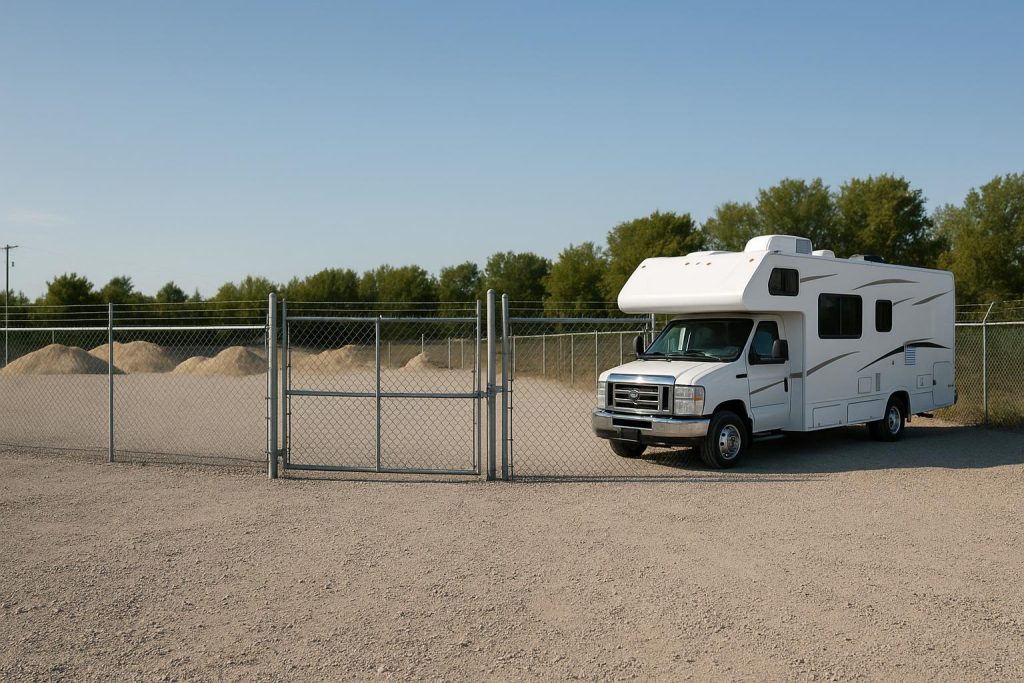
One of the first security features to look for is a sturdy, well-maintained fence surrounding the entire property. A secure perimeter fence deters unauthorized visitors and conveys that the facility takes security seriously. This fence should be high enough to discourage climbing and constructed from durable materials such as chain link or iron. In addition, tight connections at or near the ground level help avoid any easy access points that could be created by digging or cutting. These simple yet essential measures let you store your vehicle with greater confidence.
Keep an eye out for:
- Height and Material: Ensure the fence is tall enough and made from a durable material.
- Limited Entry Points: Fewer gates or doors reduce the chance of unauthorized access.
- Well-Maintained Barriers: Look for a fence that isn’t rusted or easily compromised by age.
2. Gated Entry with Coded or Keyed Access
Even the strongest fence won’t be fully effective without a solid gate system. A gated entrance that requires a key card, passcode, or similar controlled credential underscores the facility’s commitment to security. If the gate is left open for long periods of time, it defeats the purpose of a secure perimeter, so investigate whether the gate is kept closed and locked at most hours—aside from short intervals for tenants entering or exiting.
An effective gate system could include:
- Electronic Keypads: Access codes can be easily updated to limit use to current renters.
- Swipe Cards or Fobs: Provide convenient access while ensuring only authorized persons enter.
- Automatic Closers: Gates that automatically shut after a vehicle passes prevent tailgating or accidental propping.
Ask the facility manager how returning tenants access the property, whether maintenance staff have separate credentials, and how often codes are updated. This can help you gauge how committed the facility is to keeping out unauthorized individuals.
3. Adequate Lighting Across the Premises
A brightly lit RV storage facility is a major deterrent to theft and vandalism. Darkness provides cover for mischievous activity, so well-placed lighting around the property discourages potential intruders from targeting vehicles. Moreover, good visibility helps both staff and customers move around safely at night, whether they’re parking their RV or performing quick maintenance checks.
Ideally, look for:
- LED Lighting: Bright, energy-efficient lights that provide thorough coverage.
- Strategic Placement: Lights positioned at gates, driveways, corners, and near the perimeter fence to eliminate dark spots.
- Motion Sensor Lights: A sudden flash of light in a dim area can discourage unauthorized entry.
It might seem simple, but lighting can be one of the most effective enhancements to any security plan. If your personal storage stall lacks illumination, consider placing a small battery-powered light or ensuring you can maneuver comfortably with a flashlight or headlamp. Though the facility should handle most lighting needs, it’s wise to have your own backup solution in case you’re there outside regular hours.
4. On-Site Staff or Frequent Patrols
Security doesn’t just mean cameras and gates. Sometimes, that extra layer of vigilance is offered by on-site staff members or regular patrols. Trained employees who keep an eye on the property can notice suspicious behavior, quickly address anomalies, or assist with any inspection you might need to complete on your RV. Some facilities do not have full-time staff in a kiosk but do employ thorough daily or periodic checks, which can be just as effective. Frequent patrols send a clear signal to would-be trespassers that the premises are regularly monitored.
Questions to ask include:
- Staff Hours: Does the facility have someone on-site during the day? At night?
- Patrolling Schedule: How often do staff or security personnel walk the lot?
- Incident Response: How quickly does staff respond to unusual activity if it arises?
Whether or not the facility has a dedicated office, there should be a plan in place to handle emergencies or suspicious activity. A combination of proactive patrols and technology (like cameras and alarms) often yields a reassuring level of protection.
5. Comprehensive Video Surveillance System
A 24/7 surveillance system is another key element of a robust outdoor RV storage security plan. Cameras serve both as an active deterrent and a resource for evidence if an incident occurs. Facilities often position cameras near gates, around the perimeter, and in areas where customers frequently move or park their vehicles. Ask about the type of cameras used. Are they high-resolution and do they have night vision capabilities? Is footage recorded and saved for a certain length of time? This information can help you gain clarity about how secure your vehicle will be.
Many RV owners also choose to set up their own mini security systems on or inside their RV, especially for extended storage. A battery-powered camera or an external GPS tracker can provide an added layer of security and personal reassurance, so even if the facility’s system doesn’t catch a specific angle, your own device might fill that gap. Of course, any personal gear you install should align with the facility’s rules.
6. Record-Keeping of Customer Movements
Another quality to look for is whether the facility keeps records of who enters and exits, along with the times and dates of movement. If the gate is opened by a code or key card, there may be a digital trail that managers can review. A thorough entry log can help track whether someone was on the property without authorization or whether an incident happened during a specific time window.
Well-managed facilities understand that thorough record-keeping not only protects them but also protects tenants. It’s a way to confirm that only legitimate RV owners are coming and going. If you notice a facility that doesn’t appear to track access, be sure to ask them how they monitor entry. Clear answers can save you from worry in the long run.
7. Individual RV Security Measures
Even if a facility boasts top-notch security features, it’s wise for each RV owner to take extra precautions. These might include:
- Wheel Locks: Placing wheel locks or chocks adds another hurdle if someone tries to move your RV without authorization.
- Tire Covers and Pressure Maintenance: Besides preventing theft, properly maintained tires are safer when you return. (For more tire care tips, you can check out How do I maintain my RV’s tires when stored outdoors for extended periods?)
- Locks on Doors & Compartments: Secure all external storage compartments. If your RV has multiple entry points, double-check each lock.
- Alarm Systems or Sensors: Some RV models allow you to install car-like alarm systems that can detect unauthorized entry.
Taking small steps to protect your vehicle can add layers of security to what the facility already provides. Remember that an RV packed with personal goods can be more enticing to thieves, so removing expensive electronics or valuables before storing is always a good idea. If you’re wondering which items are best to take out, read our guide on What items should I remove before storing my RV outside long-term?
8. Insurance Considerations and Coverage Requirements
Some outdoor RV storage operators might require you to carry your own insurance policy, while others offer optional coverage for an additional fee. In either case, it’s critical to confirm what type of insurance you have and what it covers in the storage setting. This detail gives you peace of mind if there’s damage from vandalism, severe weather, or other unexpected events. Also, clarify who’s responsible for damage to your RV if an incident happens on the facility’s grounds. Typically, your personal RV insurance is your strongest safeguard, but the facility may also maintain liability coverage.
Check any coverage gaps that might appear if your RV is stationary for an extended period. Some insurance companies may have certain clauses regarding how your vehicle is stored or may offer discounts for using a secure and gated facility. If it’s a seasonal arrangement, review whether your plan needs to be updated for months when you’re not actively driving your RV. A quick call to your insurance agent can ensure that your policy is properly set up for long-term or seasonal storage.
9. Facility Reviews and Reputation
A lesser-discussed yet practical way to assess security is by checking reviews and testimonials from current or past tenants. These accounts can give you insight into how real people have experienced the facility—whether it’s truly hassle-free storage or if there are recurring issues like gate malfunctions or minimal staff availability. If possible, do a drive-by visit. Look at the property during day and night to see if the descriptions match what’s advertised. A well-maintained site is often a sign that ownership takes security, cleanliness, and operations seriously.
If you’re still exploring options, take a look at the RV Storage page on our site for a general overview of features to expect from a dependable and well-equipped storage facility. There, you’ll also find tips on what to consider when looking for a safe place to park.
10. Proper Maintenance and Ground Conditions
While it might not sound like a core security measure, good ground conditions and overall facility upkeep play important roles in protecting your RV. If a lot is muddy, full of potholes, or not properly leveled, it can lead to accidental damage or complications for owners moving around the facility at night. A well-kept lot sends a message that management invests in the property, which often extends to investing in reliable security measures too. Plus, vehicles that are stored on stable ground will be less likely to tilt or shift, reducing the chance of physical damage.
In addition, well-maintained grounds can discourage would-be intruders from loitering, because there’s less cover to hide in neglected corners or behind piles of debris. Any time you visit the property, glance around to see if trash or clutter has been left around, or if landscaping is wildly overgrown—these are small details that could indicate broader issues.
11. Additional Precautions for Year-Round Security
If you plan to store your RV outdoors year-round, you may require more comprehensive prep to avoid weather concerns. Alberta’s extremes—from freezing winters to blazing summers—can cause wear and tear unless you prepare properly. While this part may not be purely about theft prevention, it plays a role in overall security by ensuring your RV remains in good shape.
For instance:
- Winterization Services: In cold climates, flush out water lines, add antifreeze, and cover vents. If you’re unsure whether winterizing is critical when storing outdoors, check Do I need to winterize my RV if it’s stored outdoors year-round?
- Protective Covers: A breathable cover safeguards against snow, ice, and UV rays. Ensure it fits properly so it can’t flap in heavy winds.
- Regular Inspections: Even in a secure facility, it’s wise to do periodic checks to confirm no leaks or damage have occurred. For guidance, see How often should I inspect my RV if it’s kept outside?
Though these precautions emphasize weather, they also provide an extra layer of protection against unwanted pests or unnoticed physical damage that can weaken your RV’s security. A well-kept and weather-protected RV is less likely to draw unwanted attention.
12. Confirming Storage Restrictions and Policies
In many facilities, the policies around how long you can store your RV, or how frequently you can access it, might indirectly affect security. If a facility allows general access at all hours with minimal tracking, that might invite issues. Conversely, if they have strict policies you’re aware of—like specific access windows or additional fees for after-hours visits—they could be controlling traffic on the property more carefully. Before locking into a long-term arrangement, be sure to review any rules on extended stay or frequent retrieval of your RV. It’s also worth seeing Are there restrictions on how long I can keep my RV in outdoor storage? to understand what typical rules might look like.
Clear, well-enforced guidelines usually mean the facility takes operations seriously, which often goes hand in hand with a robust security protocol.
13. Sibling Resources: Finding and Securing Your Best Spot
If you’re in the process of researching how best to store your vehicle, you might also appreciate reading about How do I choose a safe outdoor storage spot for my RV? and seeing Is there a recommended checklist for securing my RV for outdoor storage? for step-by-step instructions on making sure your rig is safe and secure from the moment you drop it off.
14. Final Considerations for Peace of Mind
Ultimately, there is no single magic solution to fully protect your RV, but combining multiple layers is what creates a secure environment. Strong fencing and gated access help control who comes in. Adequate lighting and surveillance cameras make thieves think twice. On-site staff or frequent patrols ensure suspicious activity is noticed quickly. And your own precautions—like wheel locks, detailed insurance coverage, and well-planned vehicle upkeep—add further defense. Installing a small alarm or sensor system within your RV can be the finishing touch, giving you immediate alerts about any unauthorized intrusion.
Don’t hesitate to ask plenty of questions when comparing different storage providers. Check how they respond to inquiries about perimeter fencing, gate logs, and the presence of staff after hours. A quality outdoor storage facility will be transparent about their protocols and proud to show you how they maintain a safe space for tenants. By doing a bit of research up front, you can make an informed decision and enjoy your travels with more confidence, knowing your RV is secured in a space designed to put your mind at ease.
For even more detail on selecting the right outdoor storage environment or to see what a hassle-free storage experience looks like, take a look at our RV Storage page. Every step you take to ensure a secure, well-monitored environment will bring you that much closer to effortless weekend getaways and stress-free road trips. With the correct precautions in place, your RV will be waiting for you, safe and sound, wherever your next journey leads.