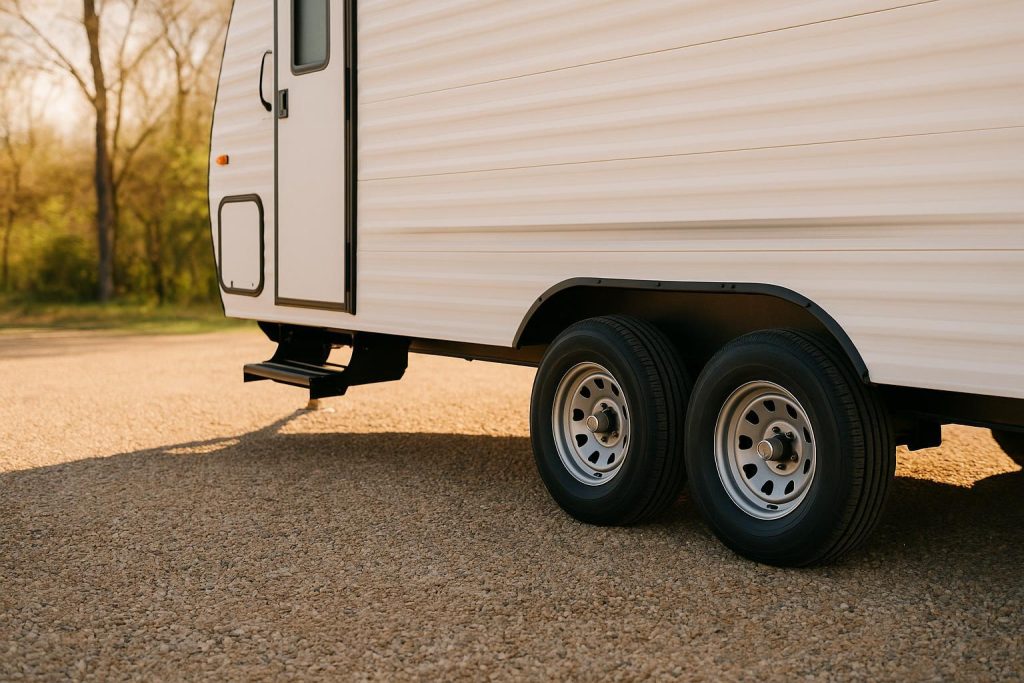
Top Strategies to Protect Your Trailer’s Tires During Off-Season Storage
When you prepare your trailer for an extended period of downtime—whether it’s through Alberta’s icy winters or simply a few months of non-use—it’s crucial to pay special attention to your tires. Tires are what carry your trailer on every trip, and without proper care, they can deteriorate more quickly than you think. Harsh weather conditions, persistent weight on the same spots, and even exposure to UV rays will eventually cause the rubber to weaken. The good news is that there are tried-and-true practices to protect your trailer’s tires when it’s not in active use. This article walks you through those steps in detail, emphasizing proactive measures to ensure your tires remain safe, functional, and ready for the next trip.
Whether you’re storing in your backyard or at a dedicated facility, remember that your trailer’s wheels and tires face both stress and the environment. By focusing on simple yet effective strategies—like checking tire pressure, using covers, and parking on solid ground—you can keep them in great shape. And if you choose to park at a secure storage lot, such as those offering spacious stalls and flat-rate pricing, you can further minimize any risk. Below, we dive into the key practices to protect your tires and help you make the most of your seasonal trailer parking time.
1. Monitor Tire Pressure Diligently
Maintaining proper tire pressure is one of the most vital steps in tire care for off-season storage. When tires sit for weeks or months, they often lose pressure naturally. This loss can accelerate in colder temperatures, making under-inflation more likely. When a tire is under-inflated, it has to handle more stress on certain portions of the rubber, increasing the chance of cracking or developing flat spots.
Before parking your trailer, use a reliable gauge (digital or analog, as long as it’s accurate) to record each tire’s pressure. Do not assume they are all the same—readings can vary across tires. Consult your tire’s manual or sidewall for the manufacturer’s recommended PSI, and ensure you match that level just before storage. A well-maintained tire pressure reduces unnecessary wear and helps protect the tire’s shape and structural integrity.
2. Wrap or Cover Tires for UV Protection
Exposure to sunlight can degrade tire rubber, causing it to become brittle, crack, or show other signs of premature aging. UV radiation breaks down essential resin and oils in the rubber, accelerating the aging process. This can be even more pronounced if your trailer sits outdoors or in direct sunlight for an extended period.
To shield your tires from these damaging rays, invest in quality tire covers. These are made from weather-resistant materials that effectively block UV light, snow, and ice. Choose covers that fit snugly and cover the entire tire diameter. You can often find options with elastic edges or adjustable straps for a secure hold. Even if you store your trailer in a dedicated facility, it’s wise to add an extra layer of defense with covers. After all, you want to preserve your tires, reduce sidewall cracking, and stay worry-free about environmental factors.
3. Use a Solid, Dry Surface for Parking
Think about where you plan to store your trailer for several months. If you park on wet grass, mud, or an area that tends to collect water, you risk soaking and weakening your tires. Constant contact with moisture may also impact metal wheels, making rust more likely. Whenever possible, opt for a stable, dry surface like gravel or concrete.
If you’re considering an off-site storage facility, look for one offering gravel-based stalls. This setup helps you avoid pooling water and provides a cleaner environment. At the same time, seek out locations that offer convenient access to check your trailer over winter. Keeping your trailer on stable ground not only preserves tire condition but also helps you avoid any damage from soft or uneven terrain, which can put strain on the suspension and axle.
4. Relieve Excessive Weight
When a trailer stays parked in one spot for a long time, the same patch of tire rubber remains in contact with the ground. This can create flat spots, which manifest as a noticeable thumping or vibration when you finally tow the trailer again. The heavier the trailer—and the less you move it—the bigger the chance that the tires will develop these distorted areas.
One common practice is to place tire blocks beneath the wheels so the tires rest on these blocks instead of the bare ground. Alternatively, some owners use jacks or stands to lift part of the load off the tires entirely, which can help preserve their shape. While not everyone can or wants to jack up their trailer, any method of distributing weight more evenly reduces the stress on the rubber and can extend the life of your tires, especially if you’re planning for long-term or seasonal storage.
5. Guard Against Temperature Swings
Alberta’s climate is famous for sharp temperature swings. Tires can be hot one day and near-frozen the next. This sudden cycling can cause the tire’s materials to expand and contract, contributing to cracks over time. While you may not be able to control the weather, you can store your trailer in a spot that’s less exposed to abrupt changes. For instance, a location with some natural windbreak—like a fence or row of trees—can moderate harsh temperature drops to a degree. If you’re looking at a secure storage lot, find one that seems shielded from constant, strong winds and weather extremes.
6. Regular Inspections During the Off-Season
Storing a trailer doesn’t mean forgetting about it until the next journey. It’s a good practice to check on your trailer every few weeks. During these visits, do a simple walk-around and focus on your tires. Are they low on air? Do the sidewalls show any cracks or bulges? Is there any sign of foreign objects in the tread?
By catching minor issues early, you can save yourself from costly problems later. Even small cracks can turn into serious leaks once you hit the road again. In extreme cold, tire damage might not be immediately evident, but it’s better to detect trouble during storage than find out when you’re halfway to a campground. Think of these visits as short, proactive check-ups that can extend the life of your tires and preserve overall peace of mind.
7. Clean and Dry Tires Before Storage
It’s easy to park your trailer with dirt, mud, or rocks still clinging to the tires. Over time, these can trap moisture and grime against the rubber. If left unchecked, your chances of corrosion or premature aging of the tire materials increase. Give your tires a good rinse and scrub before you store your trailer, ensuring you remove any debris from the treads and sidewalls.
Once cleaned, let your tires dry thoroughly. If there’s water stuck in tread patterns or around the valve stem, that moisture can freeze during colder weather or harbor rust on metal components. Making sure your tires are clean and dry goes a long way toward boosting their longevity. This simple prep step also ensures you start the next season on fresh footing—literally.
8. Move the Trailer Periodically
If possible, try to reposition your trailer at least once during the off-season. Even a small shift can change which part of the tire is on the ground, helping prevent flat spots. If you can’t move it on the road, consider rolling it forward or backward a few inches within its storage spot. Every little bit of movement helps distribute wear more evenly across the tire’s surface.
Not everyone has convenient access to their trailer in the winter months, but if you store in a facility that allows easy access all year, taking advantage of that is well worth it. To learn more about locating a storage site that encourages periodic check-ins, you may want to read about Can I access my trailer in storage during the offseason?. This can help you plan how often you can drop by to rotate or inspect your trailer.
9. Align Tire Care with Overall Trailer Maintenance
Tires don’t exist in a vacuum. Properly maintaining them goes hand in hand with protecting the rest of your trailer. For instance, before storing it, you’ll likely secure any loose parts, drain the water systems, and close all windows or vents. If you’re looking for a complete approach to winterizing or off-season preparedness, check out How do I prepare my trailer for seasonal storage?. That resource covers a broader checklist that pairs perfectly with tire maintenance.
When your trailer is well-prepared—tires included—you have fewer worries about surprise issues in spring. Keeping your unit in good shape through the cold months can mean fewer repairs, less stress, and a smoother transition back to camping, traveling, or hauling cargo when the warm weather returns.
10. Prepare for Insurance and Other Requirements
Although insurance doesn’t directly affect tire condition, it’s still a key consideration for off-season storage. Make sure your policy remains active or covers any possible damage that might occur while your trailer is parked. If you’re curious about how insurance requirements impact storage, see Do I need special insurance for storing my trailer?. Staying informed ensures you’re covered for potential tire-related issues such as vandalism or accidental damage on the lot.
Additionally, keep in mind that some storage facilities require proof of registration or insurance to use their services. This can be another reminder to keep your important documents up to date, so you don’t run into paperwork delays when you need to set up or maintain your storage arrangement.
11. Consider a Dedicated Storage Facility
If you’re finding it difficult to maintain your trailer on your own property—maybe your driveway is too small, or your neighborhood has bylaws restricting large vehicle parking—using a specialized storage facility can be very helpful. Look for a place that offers 12×40 ft gravel stalls, secure fencing, and a gated entry. Gravel stalls are particularly helpful because they let water drain away, keeping your tires and trailer drier. They also offer plenty of room to park without stressing about rubbing up against fences or other vehicles. To get a sense of what’s typically offered in such a location, read What security measures are typically offered for seasonal trailer parking?.
In addition to protecting your tires, these facilities often provide hassle-free storage and “no hidden fees” pricing, letting you budget for seasonal or year-round storage without unwelcome surprises. Since many of them are situated just outside the city, you gain convenient access to your trailer whenever you want to do check-ups or small maintenance tasks. Some might even have pull-through stall options for easier maneuvering, which can help reduce tire wear and tear from tight corners.
12. Explore Weight and Length Restrictions
Before you commit to a new storage location, ask about any limitations on the size or length of trailers they accept. If your trailer is especially long or heavy, you’ll want a spot that has plenty of room to park without cramming your tires into awkward positions. For more information about such limitations, have a look at Are there any restrictions on the size or length of trailers for seasonal parking?. Understanding these details helps you choose the right facility that can adequately handle your rig, safeguarding both the trailer body and its tires.
13. Integrate Tire Care into Your Long-Term Plans
Some trailer owners only think about tire protection at the last minute, but the real key is to treat this as an ongoing process. Whether you store your trailer for a few months or park it seasonally year after year, a consistent plan will pay off with extended tire life and fewer maintenance headaches. Regular check-ups, thorough cleaning, pressure monitoring, and occasional repositioning should become part of your routine.
Additionally, consider the broader aspects of trailer care. Are you planning to leave it in one place seasonally or move it around from time to time? If you’re wondering about booking a spot well in advance or if it’s possible to store for just a limited period, see How far in advance should I book a spot for seasonal trailer parking? or Is it possible to park a trailer for just a few months?. Such considerations can help you plan your tire maintenance schedule accordingly.
14. Ready Your Trailer for the Next Adventure
By proactively caring for your tires, you’re preparing for smooth travels when it’s time to hitch up again. Off-season tire protection helps reduce blowouts, uneven tread wear, and unexpected flats—all things that can derail the excitement of a new trip. Part of the joy of owning a trailer comes from knowing you can head out on a moment’s notice without discovering a hidden mechanical problem. Proper tire care makes that spontaneity possible.
All these efforts—from covering your tires, to checking pressures, to parking in a secure, gravel-based stall—add up to one main goal: extending the life of your investment. If you’d like a space designed to protect your trailer and keep it ready for the next outing, consider our Trailer Storage options. They’re built to handle Alberta’s weather extremes and provide the convenience and peace of mind that many trailer owners look for.
15. Final Thoughts on Tire Protection
Off-season storage involves more than stashing your trailer in a corner and hoping for the best. Giving consistent care to your tires pays off with reliability, cost savings, and safety on the road. By adopting the methods outlined here—correct tire pressure, UV shielding, stable ground, weight relief, and periodic inspections—you’ll keep your trailer’s tires in peak condition.
Of course, tire care is just one piece of the larger picture of seasonal storage and maintenance. For a deeper insight into keeping your trailer in good shape through winter, check out What are some tips for keeping my trailer in good shape throughout the winter?. With these best practices in place, you’ll be set for any adventure once the weather warms, confident that your trailer’s tires will be ready to go as soon as you hook up and head out.